Business leaders, diplomats seek faster approvals for Luzon corridor
Stratbase Institute said participants at its Pilipinas Conference warned that investment pledges could stall without government action.
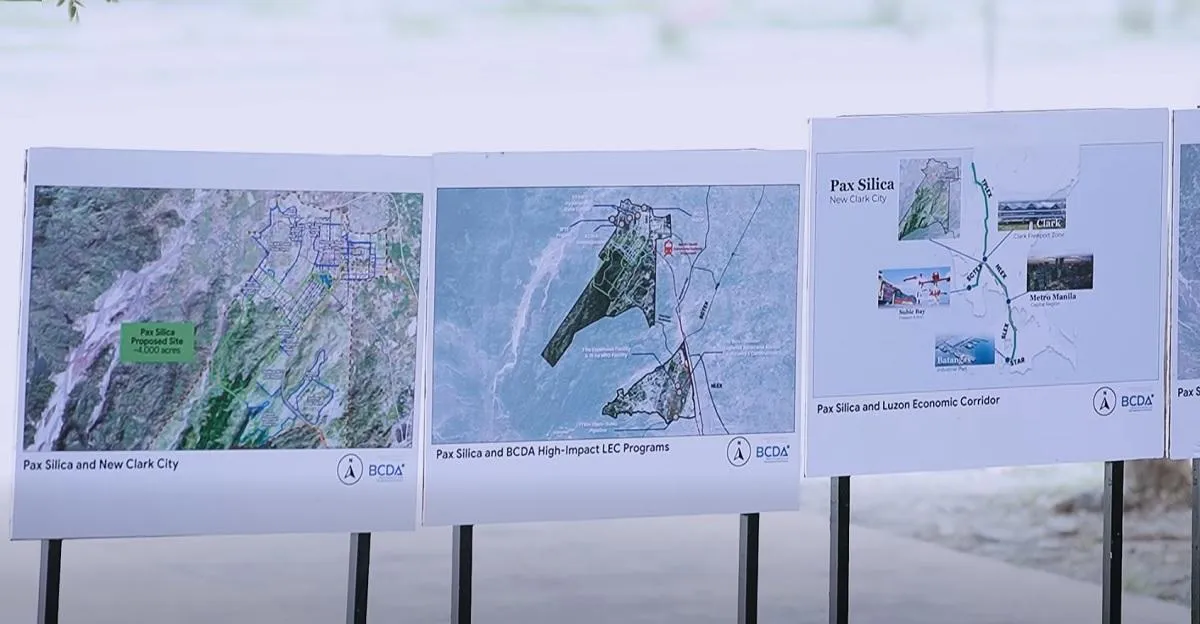
Business leaders and foreign diplomats have called on the Marcos administration to simplify approvals and provide consistent policies for the Luzon Economic Corridor, according to Stratbase Institute. The think tank said participants at its 11th Pilipinas Conference warned that pledges worth billions of dollars could stall without government intervention.
The Philippines, United States and Japan conceived the corridor in 2024. It is intended to link Subic Bay, Clark, Metro Manila and Batangas through railway connections, clean energy infrastructure and logistics networks.
In a statement dated November 24, Stratbase said US Ambassador Lee Lipton identified project execution as the main obstacle despite wider international support. Washington had committed to upgrades at the Subic shipyard and a US$60 million governance grant, Lipton said, while urging agencies to simplify approvals.
Representatives of Japan, the European Union, France and Spain sought single-window application systems and firm deadlines for permits, according to Stratbase. Makati Business Club chairman Edgar Chua stressed the need for policy continuity and respect for government contracts.
The think tank said Management Association of the Philippines president Donald Lim proposed an independent body bringing together government and business to oversee implementation and address coordination problems.
Energy costs were another concern. According to Stratbase, Danilo Lachica, president of the Semiconductor and Electronics Industries in the Philippines, said domestic electricity tariffs of US$0.18 to US$0.19 per kilowatt-hour were above the regional US$0.07 benchmark needed to attract advanced chip manufacturing. Manila Water president Roberto Locsin said recycled water could serve high-tech facilities, but reliable power and water remained essential.