BI says liquidity incentives helped build more than 115,000 homes
Bank Indonesia says Rp68–69 trillion of housing-sector support went to the Asta Cita programme, with an assessment of employment effects planned.

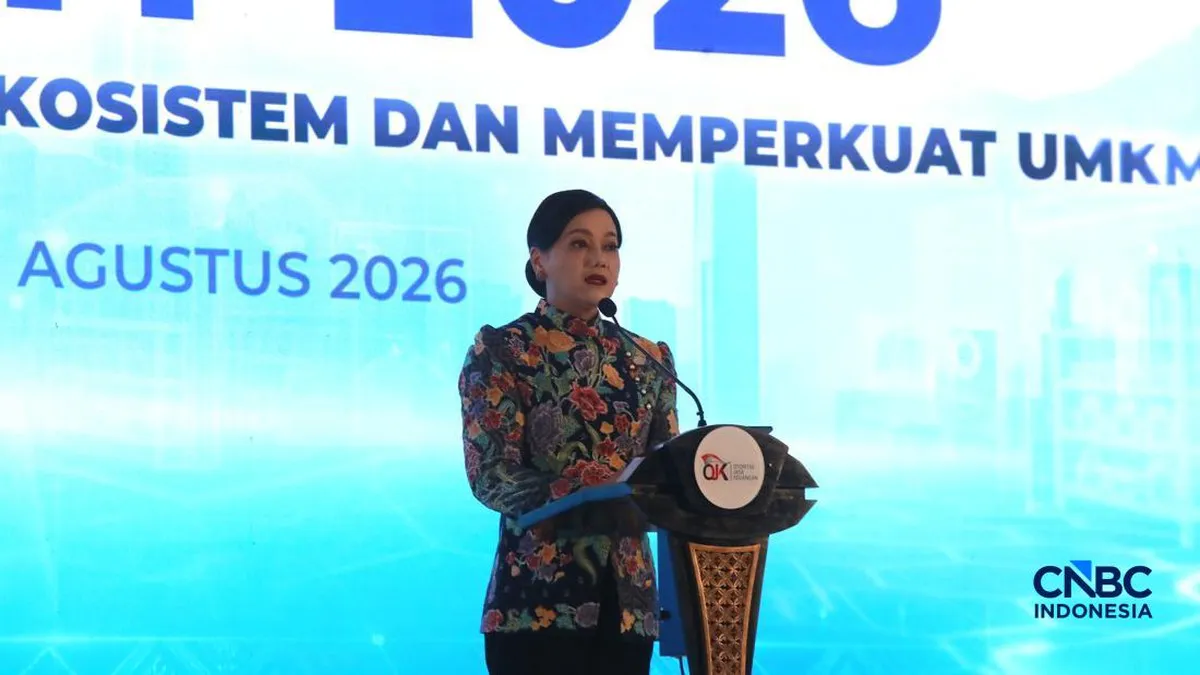
Bank Indonesia’s macroprudential liquidity incentives have channelled about Rp118 trillion into housing, with Rp68–69 trillion going to the Asta Cita housing programme, governor Destry Damayanti said. She attributed the construction of more than 115,000 homes to that programme funding.
Speaking to business representatives, Destry said the central bank had reviewed the incentives with the housing minister to assess their effectiveness. Known as KLM, the incentives support banks that lend to strategic sectors, including agriculture, industry, downstream processing and housing.
Destry said the review showed benefits for employment as well as home construction. Her estimate assumed that each home directly employed around three to four workers. She also cited indirect activity involving small food shops, roof-tile producers, truck drivers and other transport operators around housing developments.
BI will work with Statistics Indonesia (BPS) to measure the effects of its policies, she said. The assessment will include analysis of backward and forward linkages to examine connections across the activities involved.