Indonesia monitors outflow risks after MSCI classification proposal
The central bank has expanded hedging incentives while MSCI consults on whether to move Indonesia from Emerging Market to Standalone Market status.
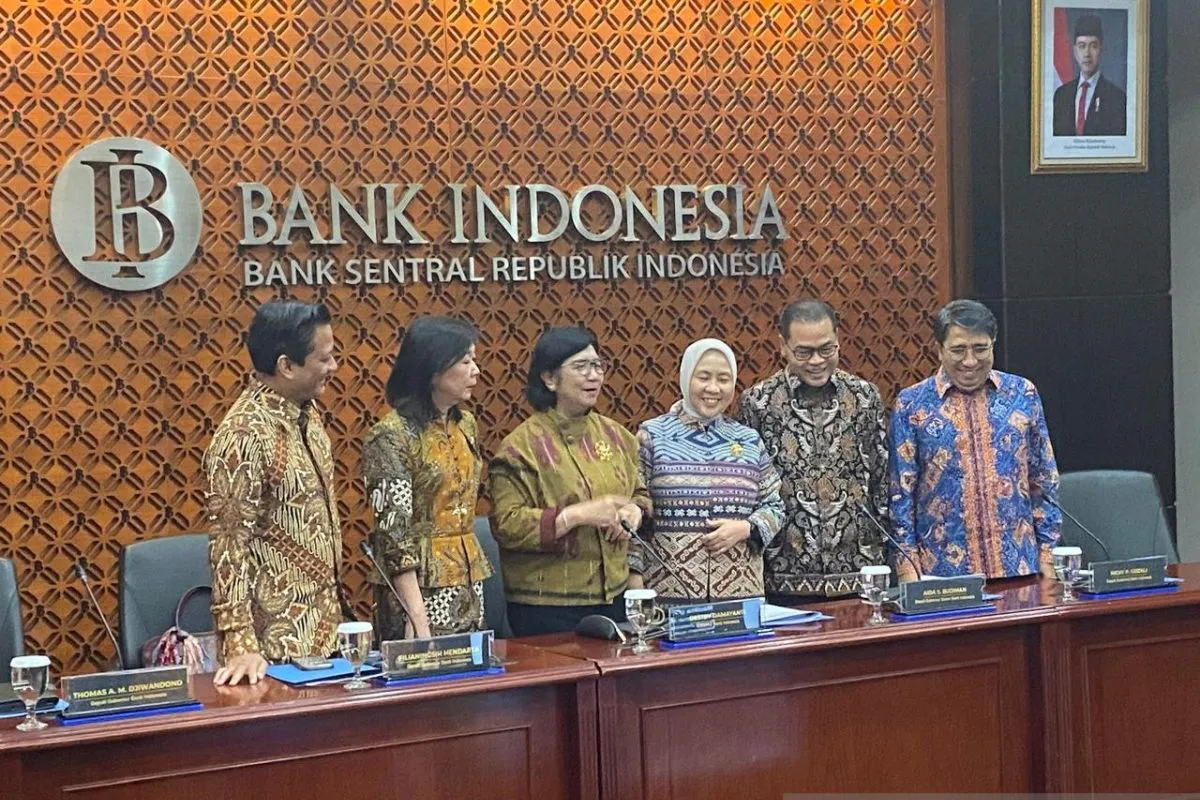
Foreign capital movements are under scrutiny at Bank Indonesia following MSCI’s proposed reclassification of the country’s capital market, Deputy Governor Destry Damayanti said. She said exchange-rate stability remained the bank’s foremost concern as it sought to attract funds and counter possible outflows.
MSCI began seeking feedback on October 16 about shifting Indonesia’s classification from Emerging Market to Standalone Market. The consultation is expected to produce a final decision by the end of June 2027.
The announcement weakened the rupiah. Jakarta Interbank Spot Dollar Rate data recorded Rp18,052 per US dollar on October 16, followed by Rp18,050 on October 19. BI said the currency’s decline was still relatively normal given wider regional pressures.
At its meeting on October 20–21, BI held the BI-Rate steady at 5.75 per cent. The lending facility rate also stayed unchanged, at 6.50 per cent, while the deposit facility rate was raised to 5.00 per cent.
BI broadened Domestic Non-Deliverable Forward hedging incentives covering foreign funding, including portfolio investments, overseas bank loans and foreign direct investment. For six-month tenors, the premium reduction increased from 25 per cent to 40 per cent; for 12-month tenors, it rose from 30 per cent to 45 per cent.
Conventional hedging swaps and Local Currency Transaction arrangements continue to receive incentives. Destry attributed US$9.9 billion of foreign inflows through October 20, 2026, to the measures introduced in June 2026.
After discussions with MSCI, the Indonesia Stock Exchange outlined plans for disclosures on share affiliations where ownership reaches at least 1 per cent. It also plans to exclude stocks with concentrated ownership from the Jakarta Composite Index.
In a separate enforcement action, the Financial Services Authority imposed Rp2.1 trillion in penalties and administrative fines on three listed companies after investigating breaches of capital-market regulations.