Philippines reviews revenue risks of ₱33-billion air traffic control proposal
Air traffic control generates around 70 per cent of the aviation regulator’s revenue, helping fund its other responsibilities.
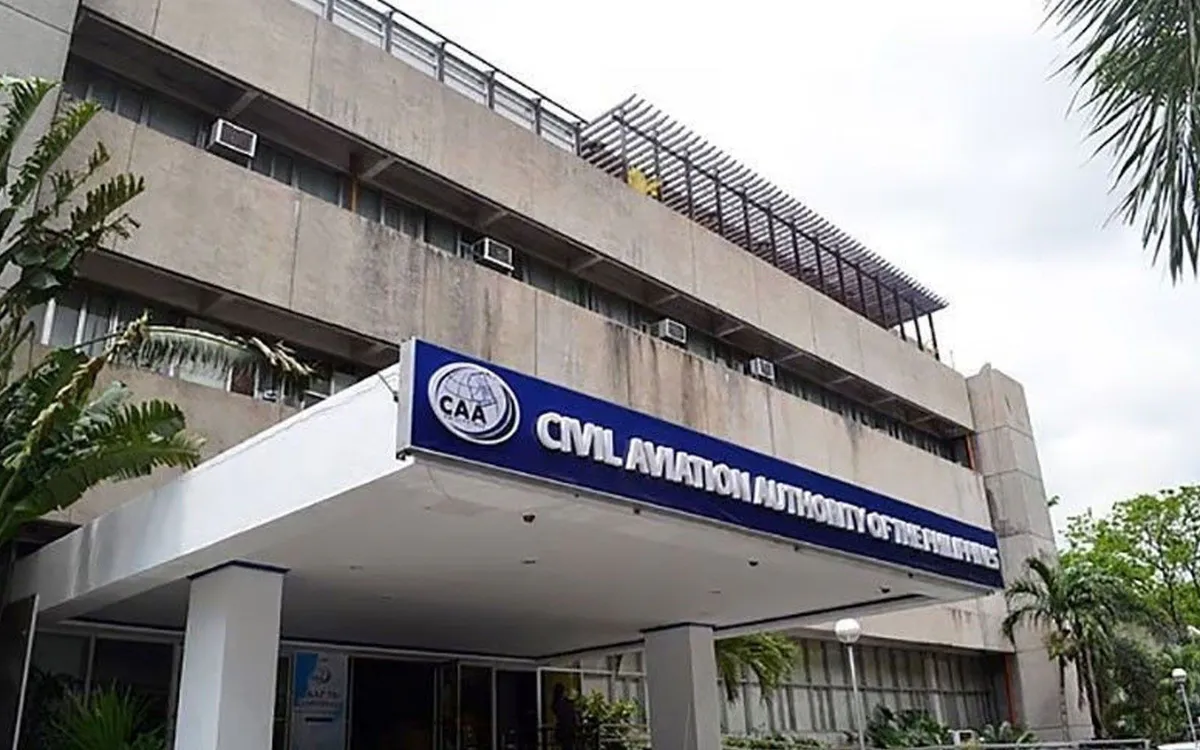
The Civil Aviation Authority of the Philippines (CAAP) is seeking financial assurances as it evaluates a private consortium’s proposal to take over air traffic control and invest at least ₱33 billion in equipment upgrades.
CAAP deputy director general Danjun Lucas said the agency was examining how it could continue funding its responsibilities without air traffic control income, which provides around 70 per cent of its revenue. Those earnings support work including airline regulation, airport management and independent investigation.
Lucas said much of CAAP’s work outside air traffic control involves public services, including operating airports serving remote islands. The agency also maintains airports without commercial flights so they remain available for disaster response and military operations.
The unsolicited public-private partnership proposal comes from ComClark Network and Technology Corp., JG Summit Infrastructure Holdings Corp. and Asia’s Emerging Dragon Corp. Their planned investment would upgrade communications, navigation and surveillance equipment.
After two previous rejections, the ComClark-led consortium is making a third attempt. The PPP Center found its submission complete in September, and the Department of Transportation and CAAP accepted it for detailed evaluation in October.
CAAP currently employs more than 1,000 controllers to manage air traffic across the Philippines.