Indonesia exchange explains exclusion of 383 stocks from IHSG weights
The exchange says concentrated ownership can increase price swings and create tracking risks for passive investors.

The Indonesia Stock Exchange (BEI) said its decision to exclude 383 stocks with highly concentrated ownership from the weighting calculation for the Jakarta Composite Index (IHSG) was intended to reduce risks for passive investors.
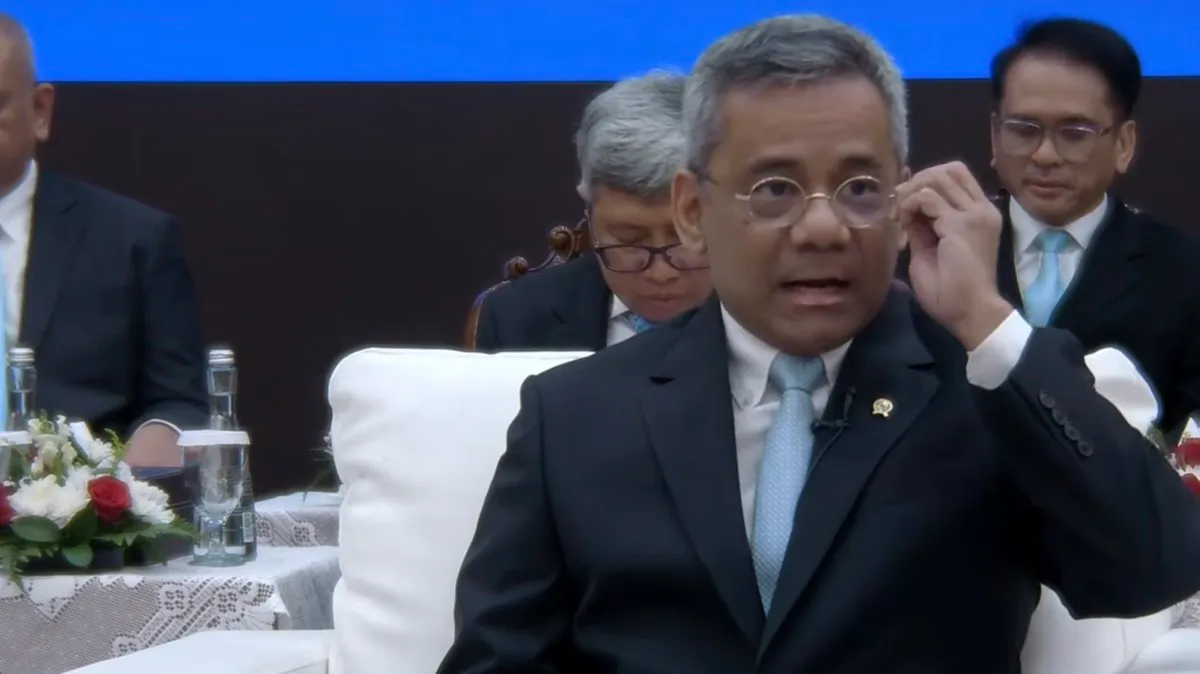
Speaking to reporters on 13 November 2026, BEI president director Jeffrey Hendrik said large trades in stocks with concentrated ownership could cause greater price fluctuations. That could lead to tracking error for investors whose investments follow the index, creating a gap between their returns and the benchmark’s performance.
The exclusion forms part of changes to the exchange’s index methodology and efforts to make Indonesia’s capital market more transparent. BEI said the decision considered the index’s quality as an investment benchmark, rather than focusing solely on whether listed companies comply with capital-market rules.
Jeffrey also stressed that the High Shareholding Concentration (HSC) classification is a transparency measure. He said the designation does not, by itself, establish a breach of capital-market regulations and should not automatically be taken as evidence of market manipulation or other violations.