Indonesia draws over US$1 billion in foreign inflows but rupiah remains under pressure
Bank Indonesia cited expectations of higher US interest rates, MSCI-related concerns and domestic demand for dollars as factors weighing on the currency.

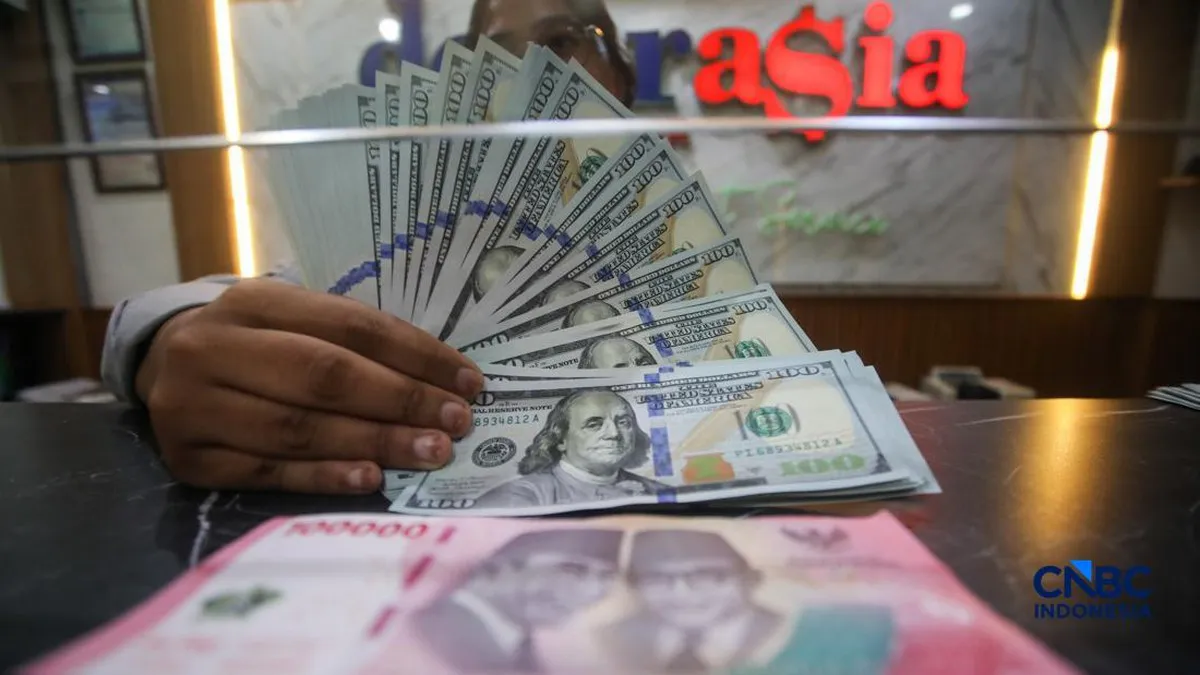
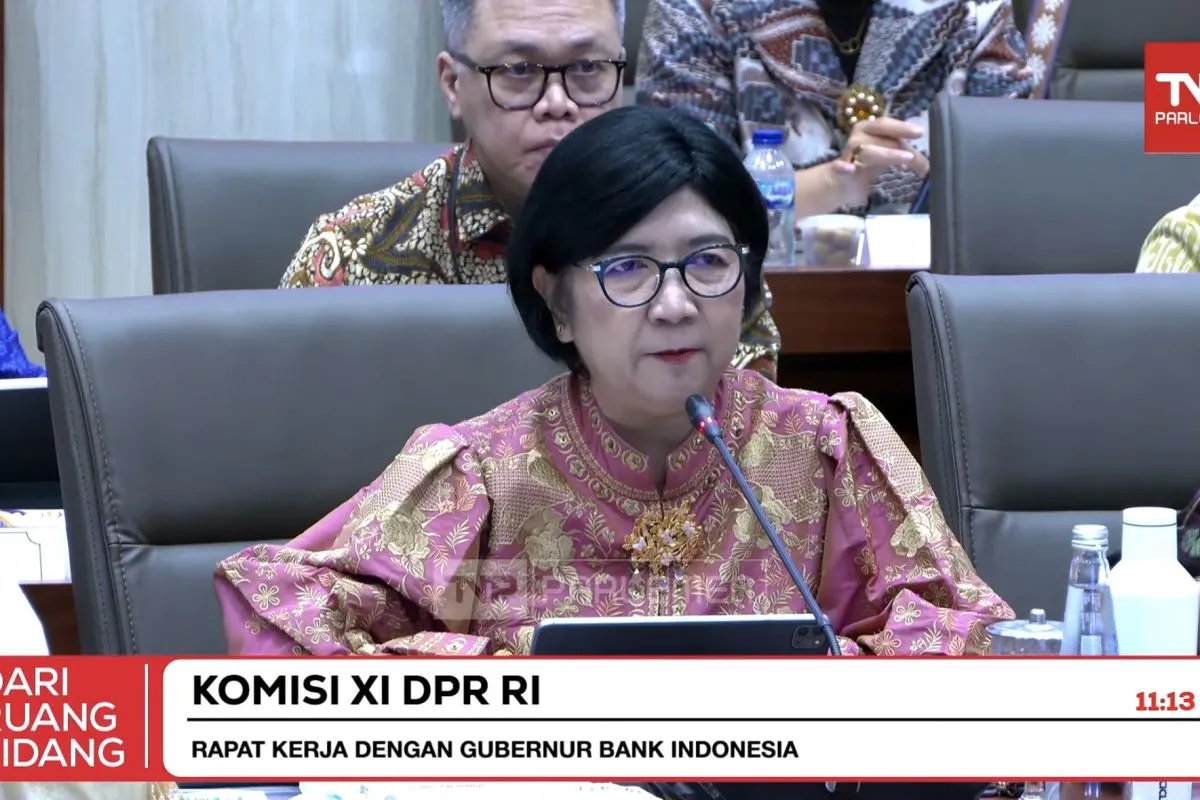
Foreign capital entering Indonesia’s financial markets exceeded US$1 billion in November 2026, but the rupiah weakened over the past two days, Bank Indonesia governor Destry Damayanti said on 26 November.
Speaking in Jakarta, Destry attributed part of the inflows to the central bank’s hedging incentives. She said Domestic Non-Deliverable Forward (DNDF) and Non-Deliverable Forward (NDF) transactions were also delivering positive results.
Destry said growing market expectations of Federal Reserve interest rate increases in December 2026 and during 2027 had strengthened the US dollar index, putting pressure on other currencies, including the rupiah. She also pointed to domestic market concerns surrounding MSCI, following a recent statement by the global index provider about its forthcoming assessment results.
Demand for US dollars from domestic participants typically rises towards the end of the month, Destry said. She acknowledged that strong demand was contributing to the rupiah’s weakness despite the improvement in foreign inflows. Bank Indonesia hoped the pressure would ease and market conditions would normalise soon as it continued its stabilisation efforts.