Indonesia and World Bank explore higher-value seaweed industry
Officials discussed linking growers with processors and buyers, alongside a proposed April 2027 workshop on coral reefs and fisheries.
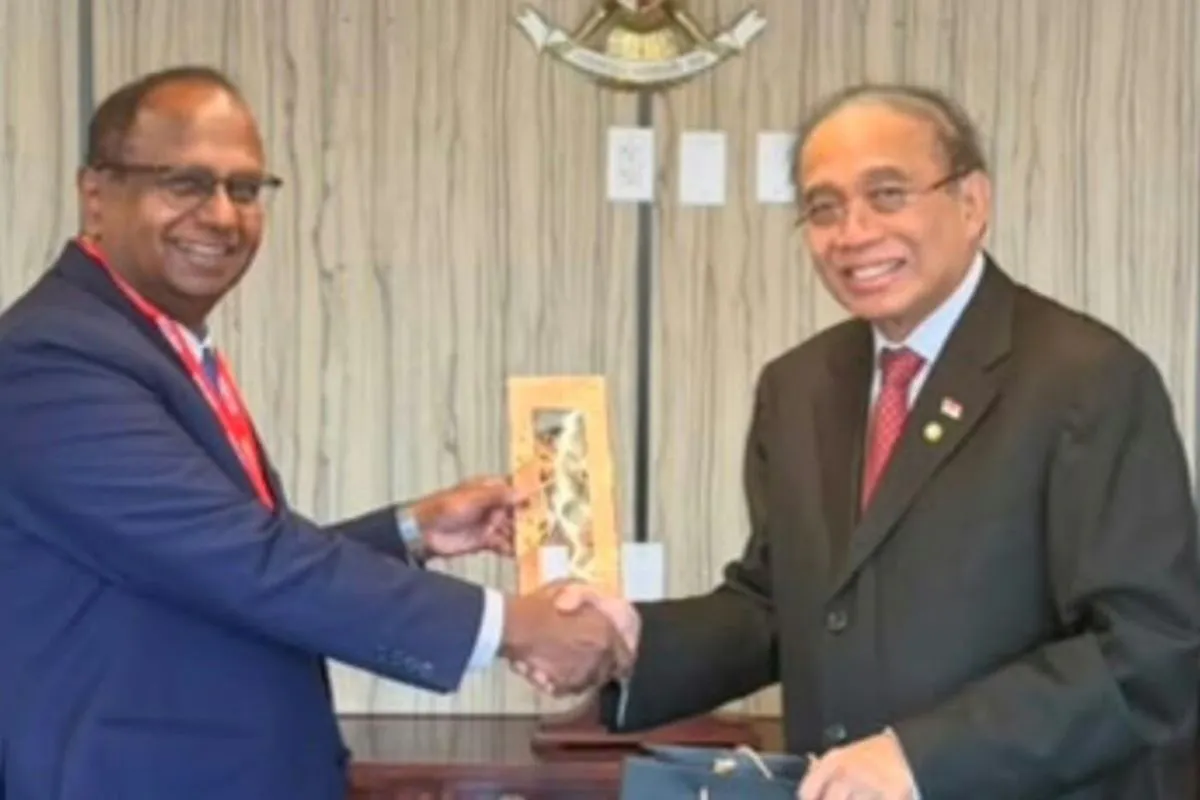
Indonesian and World Bank officials discussed ways to increase the economic value of Indonesia’s seaweed industry through cultivation and processing at a November 23 meeting in Washington, D.C.
The discussions brought together Indonesia’s ambassador to the United States, Indroyono Soesilo, and John Patrick Antonysamy, the World Bank’s executive director for the Southeast Asia Voting Group. They considered how to connect farmers with industrial operators, skilled workers and buyers, alongside efforts to raise cultivation output.
The officials said seaweed could be used to make around 350 end products, ranging from cosmetics and shampoo to toothpaste and ice cream. Indroyono said cooperation should support better jobs, business expansion and environmental protection, while development financing should benefit local communities.
They also discussed a proposed workshop to coincide with the World Bank Spring Meetings in April 2027. It would examine coral reef conservation and the connections with fisheries and food security in Indonesia.
The broader partnership operates under the 2026-2030 Country Partnership Framework, which aligns with Indonesia’s long- and medium-term national development plans. Its priorities include investment, quality employment, infrastructure, human development and the management of natural resources.
Figures from Indonesia’s National Development Planning Agency showed 31 World Bank projects in the country as of May 2026, with loans totalling US$9.42 billion. Their scope includes the blue economy, coral reefs, health, energy, connectivity and private investment.