Hartalega posts RM32.8 million quarterly profit as selling prices lift earnings
Operating profit improved from a year earlier but dropped 49.5 per cent against the preceding quarter after selling prices fell late in the period.
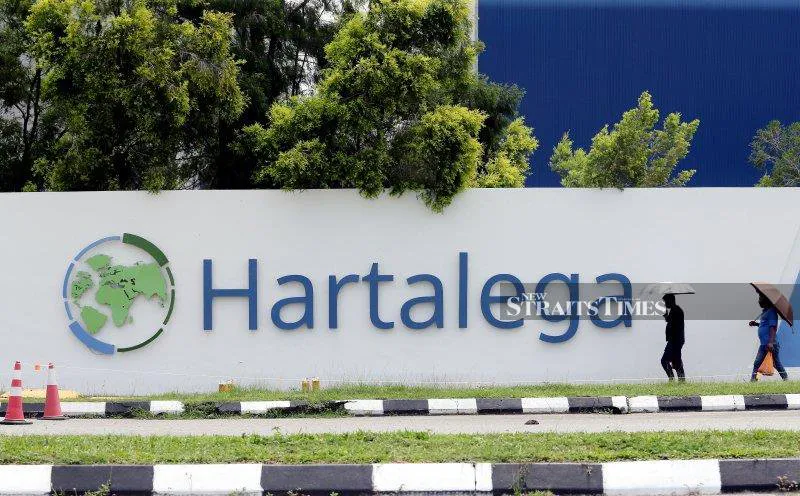
Hartalega Holdings Bhd's second-quarter net profit reached RM32.8 million, a year-on-year gain of 79.3 per cent, for the period ending September 30, 2026. The group credited higher average selling prices and cost optimisation for the increase from RM18.3 million.
Revenue grew to RM644.7 million from RM539.7 million, an increase of 19.5 per cent, largely on pricing gains rather than volume, which was broadly stable. Operating profit rose from RM13.7 million to RM40.4 million as the group cited pricing discipline, tighter controls on costs and improvements in production efficiency.
Against the previous quarter, however, operating profit dropped 49.5 per cent from RM80 million despite revenue growth. Hartalega attributed that decline to selling prices falling sharply near quarter-end and failing to offset high raw material costs. Increased net foreign exchange losses also reduced profit.
The group said the Middle East conflict had pushed nitrile costs significantly above their year-earlier level. Although selling-price increases partly offset the pressure, the full cost increase had not been passed to customers.
Over the six-month period ending September 30, 2026, revenue rose from RM1.09 billion to RM1.25 billion, up 14.4 per cent. Profit after tax increased from RM30.2 million to RM102.9 million, while operating profit advanced from RM21.4 million to RM120.4 million. The operating margin reached 9.6 per cent, against two per cent previously. There was no dividend declaration for the quarter.
On capacity, Hartalega said Plant 9 was fully operational. By quarter-end, it had recommissioned five production lines at Plant 3 using its own production technologies and operating practices. The group said it would progressively recommission more of Plant 3 before proceeding to Plant 4, with capital expenditure directed towards manufacturing upgrades and automation, including selected AI-enabled applications.