More ASEANSingapore
ASEAN members sign legally binding digital economy pact
The agreement covers data flows, digital trade, source code protection, cybersecurity and AI, while allowing exceptions for national concerns.
Trade deals, tariffs, investment rules and regulation.
Page 8 of 42
The agreement covers data flows, digital trade, source code protection, cybersecurity and AI, while allowing exceptions for national concerns.
The Philippine executive secretary outlined priorities covering trade, energy and food security, and access to digital tools for smaller enterprises.
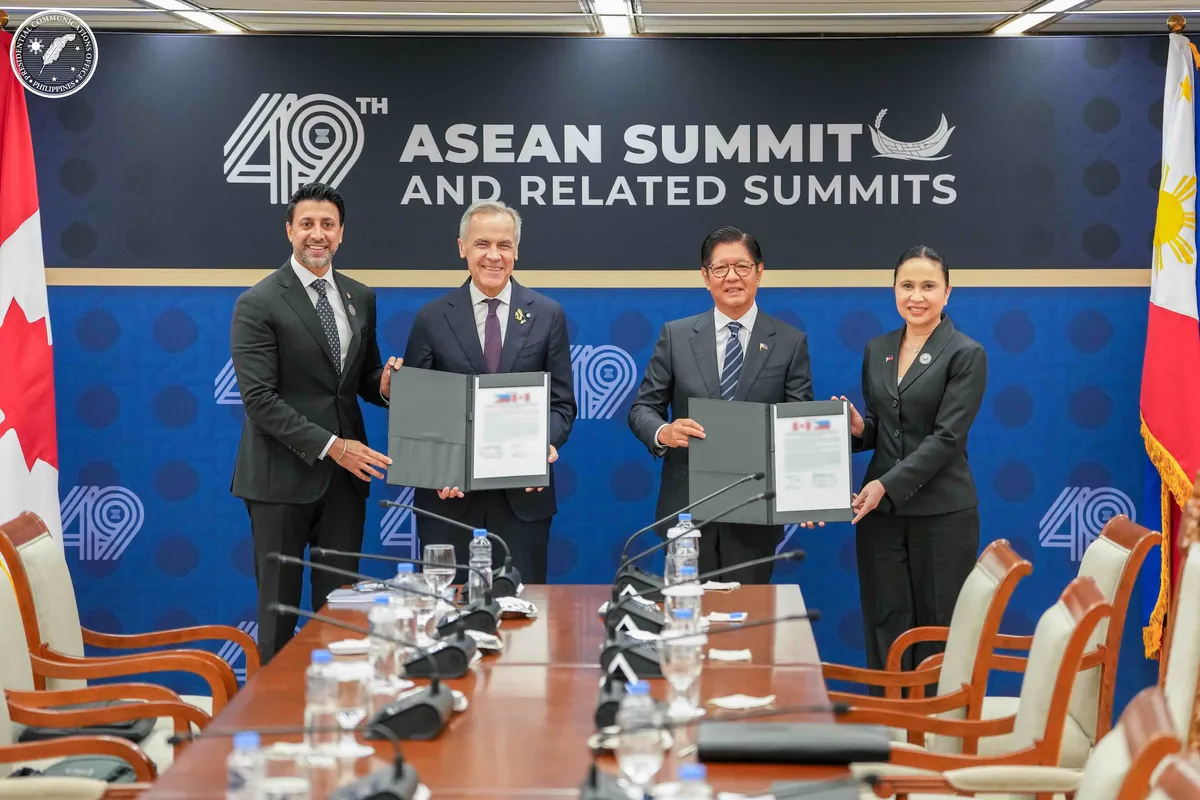
Outcomes set for ministerial endorsement include the signing of the ASEAN Digital Economy Framework Agreement.
The announcement came ahead of the ASEAN summit in Manila, after formal negotiations began in October 2025.
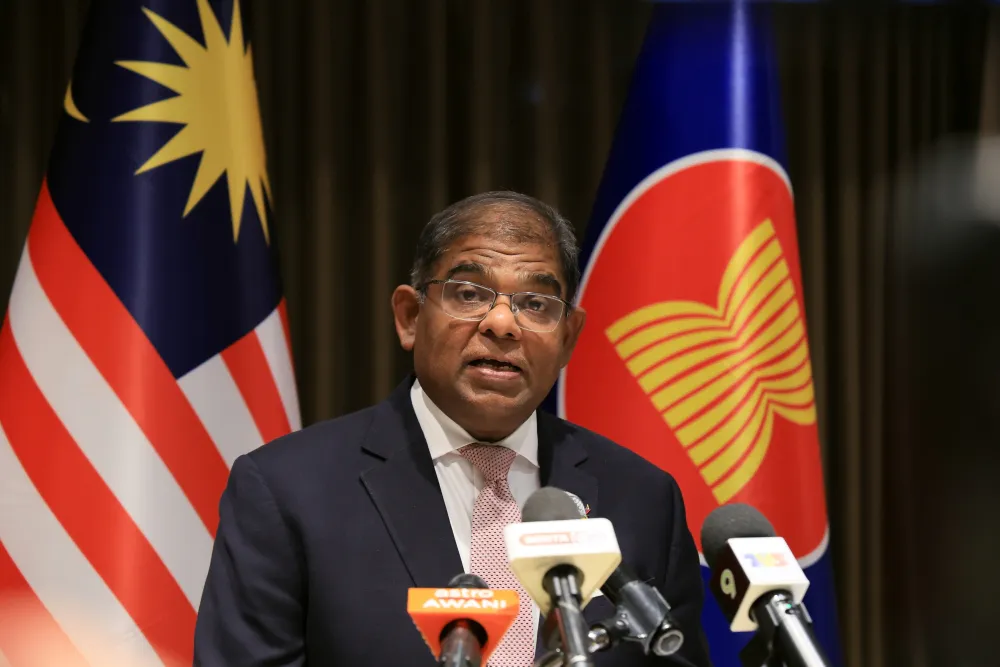
Foreign Minister Mohamad Hasan will represent Malaysia at several meetings while Anwar receives French President Emmanuel Macron on November 17.
Trade through border gates linking An Giang with Kandal, Takeo and Kampot reached approximately US$1.127 billion in the first nine months of 2026.
Outstanding questions include the code’s legal status and geographic coverage, with no confirmation that negotiations will finish during the Philippines’ ASEAN chairmanship.
The Manila signing is scheduled for Nov. 14, 2026, with the pact intended to replace ASEAN’s existing electronic commerce agreement.
The trade ministry is checking whether imported chips were subsequently exported legally, while clarifying that monitoring visits do not clear companies of wrongdoing.
Vietnam will assume the APEC host role for 2027, while bilateral talks are expected to cover trade, investment and transport links.