Philippines
Philippine economic growth slows to 2.1% in third quarter
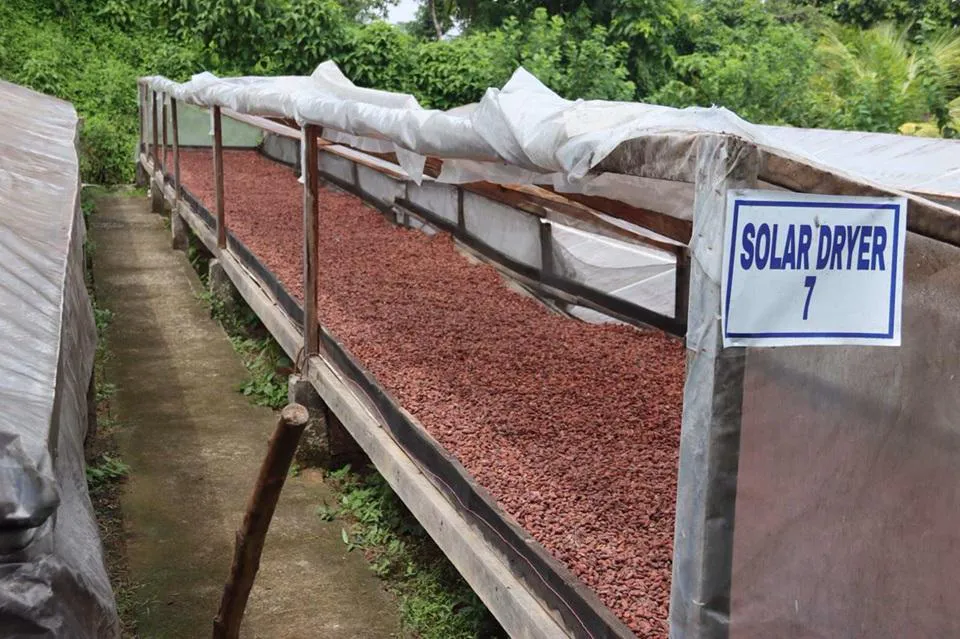
Services drove the expansion, while agriculture shrank by 4.8% and industry recorded a marginal decline.
Economy stories about Philippines. Growth, prices, jobs, central banks and budgets.
Page 3 of 8
Services drove the expansion, while agriculture shrank by 4.8% and industry recorded a marginal decline.
The September 2026 deficit reached US$1.25 billion, the highest recorded since March 2026, according to official figures.
First-half growth remained at 2.6 per cent, below the government’s full-year target of 3.5 to 4.5 per cent.
Security Bank Research and Deutsche Bank both forecast annual inflation of 5.9 per cent, but disagree on whether another December rate increase is needed.
Petroleum products, basic metals and transport equipment drove the acceleration, while average factory capacity utilisation slipped to 78.4%.
The jobless population reached 2.86 million, while construction lost 271,000 workers compared with September 2025.
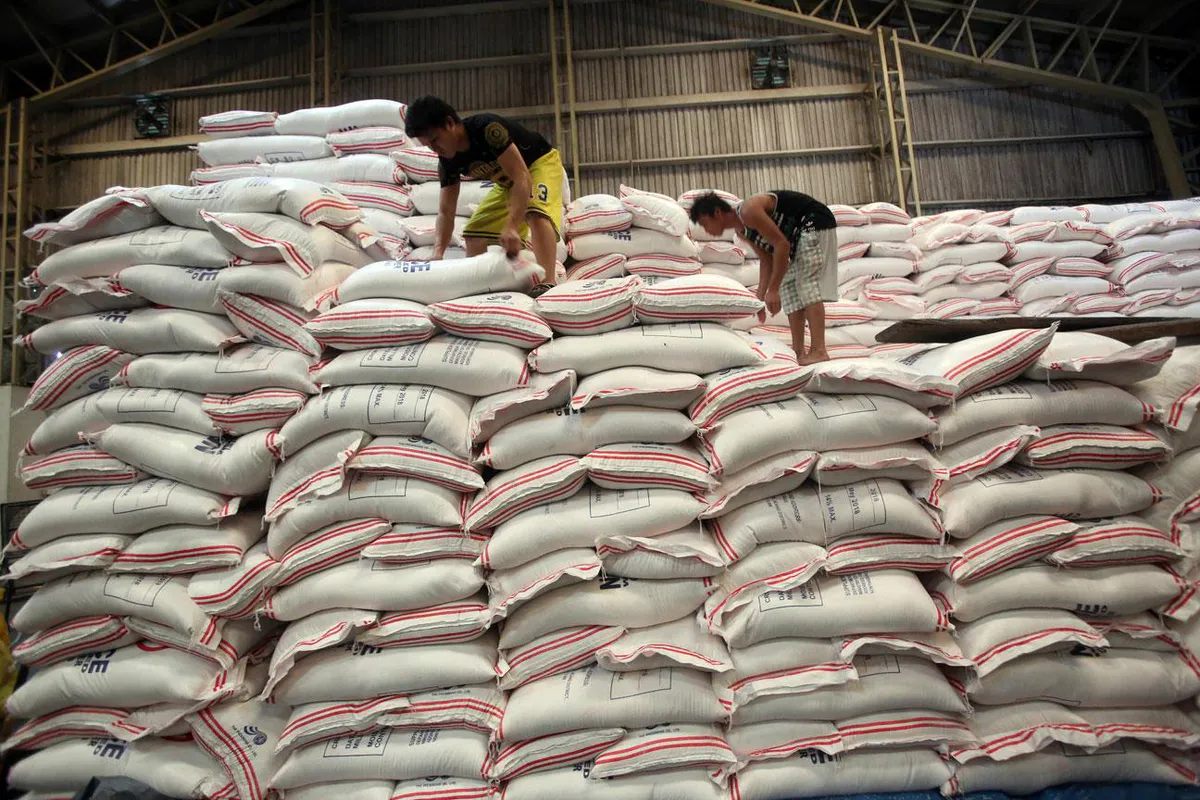
An agriculture industry group reported imports of 4.8 million metric tons as of October, with weather-related losses expected to reduce local supplies.
Additional contracts covering 87,344 tonnes could lift Cambodia's rice shipments to the Philippines to around 209,000 tonnes in 2026.
Year-to-date inflation averaged 5.6%, above the government’s 2% to 4% range.
The Agriculture Department wants support for sugarcane, coconut and vegetables, but has not disclosed the additional amount it will seek.