
New Book The Card Paradox Challenges Claims That the Trading-Card Hobby Is Dying
Sep 28, 2026
Jorge Rabbit argues that trading cards have not disappeared as a hobby but expanded into a global ecosystem shaped by grading, live commerce, technology, fandom and speculation.
United States, September 28, 2026 -- A new book is challenging the increasingly common claim that the trading-card hobby is dying, arguing instead that collecting has entered a larger and more complicated phase.
The Card Paradox, written by Jorge Rabbit and launched on September 18, examines how trading cards evolved from a comparatively simple collecting hobby into a global ecosystem involving grading companies, marketplaces, auction houses, live commerce, licensing, data platforms, influencers and international collector communities.
Its central argument is deliberately contrarian:
The hobby did not die. It stopped being small.
The book explores why longtime collectors can feel that something important has been lost even while the infrastructure surrounding trading cards becomes more sophisticated, more commercial and more global.
That tension forms what Rabbit calls The Card Paradox.
A card itself remains a small physical object carrying a player, character, image, number, logo or memory. But the system surrounding that object now includes professional grading, population reports, engineered scarcity, livestreamed breaks, online marketplaces, global distribution and increasingly sophisticated data.
The result is a collecting environment that can look radically different from the one many collectors remember.
The Same Card Now Exists in Several Different Worlds
One of the book's central ideas is that two people can look at the same card and participate in completely different markets.
For one person, it may be a childhood memory.
For another, it may be part of a competitive trading-card game, a piece of sports memorabilia, an auction lot, a rare collectible, a data point or an object whose condition and population are tracked across specialist platforms.
The Card Paradox examines what happens when those different motivations collide.
The book covers sports cards, Pokémon and other trading-card games, grading, licensing, auction markets, live commerce, breakers, scarcity, collecting culture and the growing influence of technology on how people discover and value cards.
It also looks at one of the most significant changes in modern collecting: nostalgia itself becoming searchable.
Cards that might once have survived only in memory, an attic or a local shop can now be found online, compared with other examples, checked against grading databases and purchased from another country within minutes.
That convenience has expanded access while also changing the sense of discovery that shaped earlier generations of collectors.
Why Collectors Can Feel the Hobby Is Worse While the Market Gets Bigger
Rather than dismissing complaints that collecting has changed for the worse, the book treats that feeling as part of the story.
Some collectors may miss smaller local communities, less commercialised collecting and an era when obscure knowledge was harder to obtain.
Others participate in a modern ecosystem offering greater liquidity, global access, more information and new forms of entertainment.
The Card Paradox argues that those positions do not necessarily contradict one another.
The old collecting experience can become less familiar while the larger ecosystem continues to develop.
The book describes this change as the difference between a village and a city.
The objective, it argues, is not simply to recreate the old village, but to understand what changed as the hobby became larger and determine how human experiences such as discovery, community and belonging can continue inside the new system.
Beyond Prices and Record Sales
Unlike many discussions about trading cards, The Card Paradox does not begin with prices, grading results or record-breaking sales.
Instead, it asks why people care about collectible objects in the first place.
The book examines how nostalgia, fandom, scarcity, identity, status, competition and the urge to complete collections can give a small physical object emotional and commercial value at the same time.
It also explores why grading became an important trust mechanism, why pack openings developed into entertainment, why live breaking became a business model and why licensing can determine the structure of entire collectible markets.
Despite discussing market value and speculation, The Card Paradox is not an investment guide and does not recommend particular cards or predict future prices.
The book is positioned as a cultural and editorial examination of the systems and human behaviour surrounding modern collecting.
A Book for More Than Card Collectors
While trading-card collectors form its core audience, the book also addresses themes relevant to sports business, gaming, entertainment, e-commerce, live shopping and consumer culture.
Modern cards increasingly sit at the intersection of several industries.
Sports fandom can produce collectible markets. Entertainment franchises can support global TCG communities. Social platforms can turn pack openings into content. Marketplaces can connect collectors across continents.
The card remains small.
The network around it does not.
"Same cards. Different game. Nothing broke. Everything changed."
The Card Paradox by Jorge Rabbit is now available through its official website.
For more information, visit:
TheCardParadox.com
About The Card Paradox
The Card Paradox is an English-language book by Jorge Rabbit examining the human, cultural and structural foundations of the modern trading-card ecosystem. The book explores nostalgia, fandom, grading, marketplaces, live commerce, scarcity, licensing, technology, trust and globalisation to understand how collecting changed as the system surrounding trading cards grew larger and more sophisticated.
Contact Info:
Name: Jorge Rabbit
Email: Send Email
Organization: Jorge Rabbit
Website: http://TheCardParadox.com
Release ID: 89204531
If there are any deficiencies, discrepancies, or concerns regarding the information presented in this press release, we kindly request that you promptly inform us by contacting [email protected] (it is important to note that this email is the authorized channel for such matters, sending multiple emails to multiple addresses does not necessarily help expedite your request). Our dedicated team is committed to addressing any identified issues within 8 hours to guarantee the delivery of accurate and reliable content to our esteemed readers.

AstraZeneca, Merck, Novo deals boost Chinese biotech as global interest grows
Shares of Akeso surged after British drug maker AstraZeneca moved to advance the Chinese biotech firm’s flagship cancer drug, while a new deal from US giant Merck further underscored the sector’s global momentum amid easing fears of US curbs. AstraZeneca on Tuesday announced a US$2 billion equity investment in Florida-headquartered Summit Therapeutics, which holds the exclusive rights to develop and commercialise Akeso’s immunotherapy drug ivonescimab outside China. Summit and AstraZeneca would...
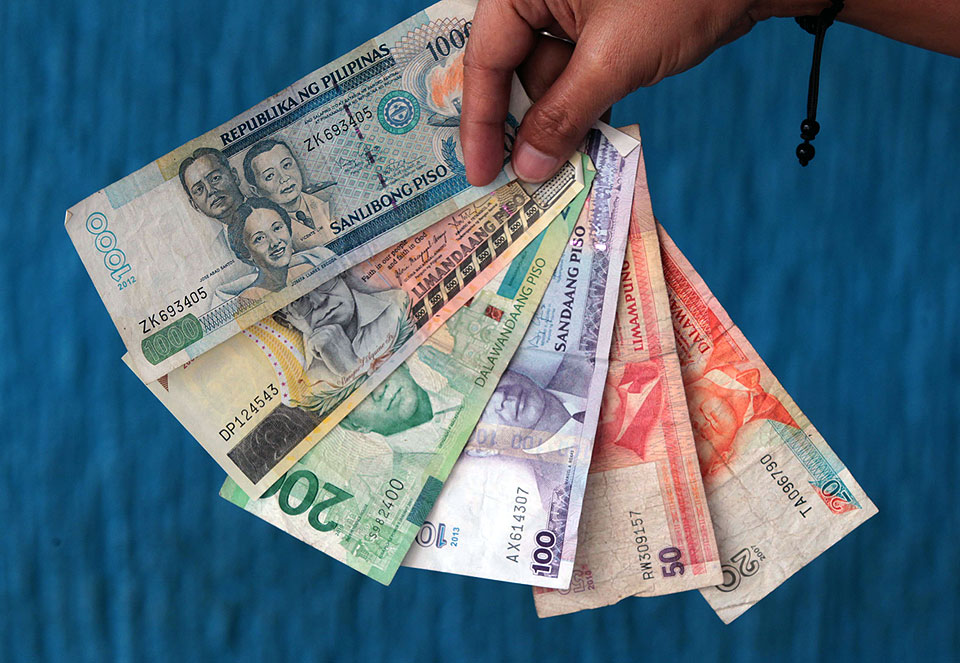
Domestic workers in Central Visayas to get P500 monthly minimum wage increase
Domestic workers will receive a P500 increase in their monthly minimum wage under a new wage order in Central Visayas, the Department of Labor and Employment (DOLE) said Tuesday.

‘180-degree flip’ sees global investors turn to China for diversification: Pimco president
Global investors are turning to China again in search of alternatives to crowded US asset markets, with Pimco seeing Chinese bonds as one of the safest ways to diversify portfolios after sentiment towards the world’s second-largest economy “flipped 180 degrees”. The US-based asset manager, which oversaw more than US$2 trillion in assets by the end of June, had been pointing its clients, particularly those outside the United States, towards Chinese offshore bonds, according to its president,...

DOE pushes competitive framework for nuclear power procurement
As the Philippines moves to include nuclear power in its energy mix, the Department of Energy (DOE) is pushing for a competitive procurement framework focused on strict grid readiness, staged delivery schedules, and rigorous pricing parameters.
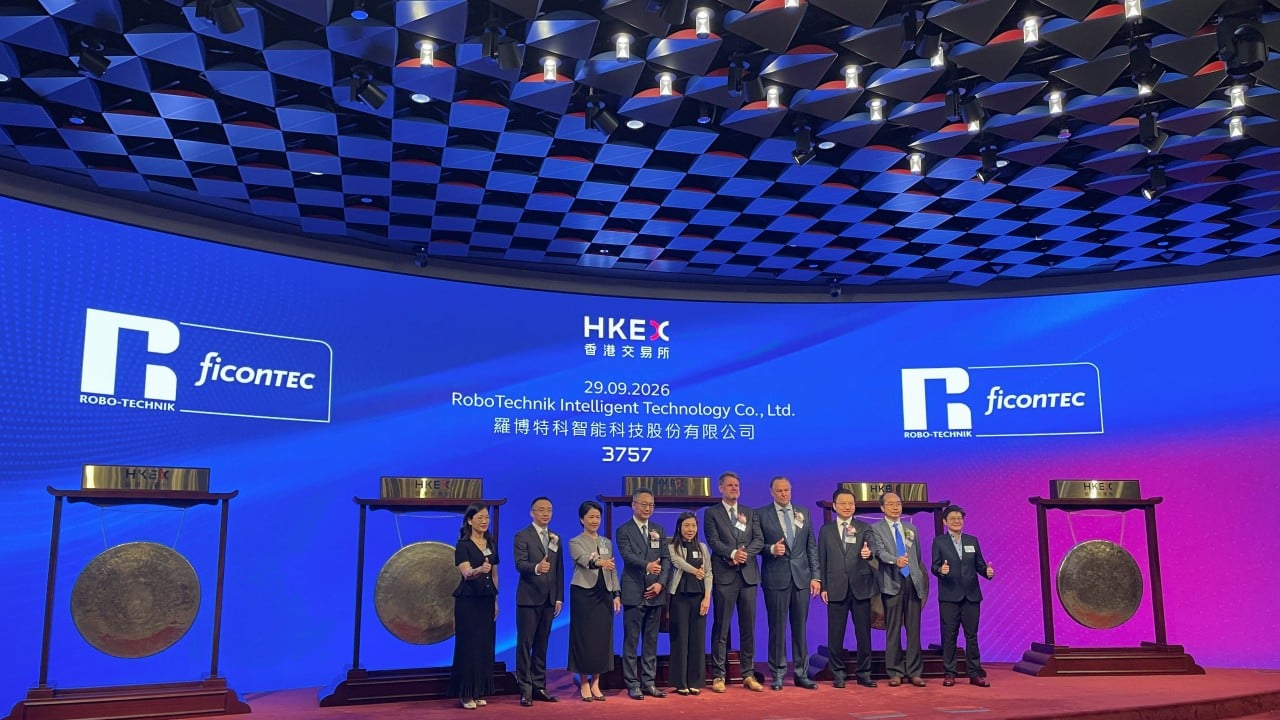
Hong Kong’s IPO revival faces test as 3 new stocks stumble on debut
Hong Kong welcomed four companies to start trading on Tuesday after they raised a combined HK$14.4 billion (US$1.83 billion) – but three opened below their offer prices, adding pressure to an already sluggish month for initial public offerings (IPOs). Automated equipment manufacturer RoboTechnik Intelligent Technology was the largest company to make its debut, having raised HK$5.18 billion, but its shares closed 4.9 per cent lower at HK$414.4 (US$52.82) after dropping as much as 9.8 per...

Why is JPMorgan expanding in China? CEO Dimon sees another decade of sharp growth
JPMorgan Chase, the world’s top bank by market capitalisation, plans to expand hiring and technology investment across mainland China and Hong Kong and is looking to take advantage of the city’s strengthening capital markets as well as its platform for serving companies operating in and out of the Chinese market, according to senior executives. CEO Jamie Dimon said the banking giant’s China-related business, measured by factors including client volume, has grown sharply over the past decade –...

Chinese brokerages get in line with Beijing’s crackdown on overseas stock trading
Some securities companies have begun to clean up non-compliant overseas stock trading by mainland Chinese investors following a regulatory crackdown that started months ago with fines on Tiger Brokers and Futu Securities International. Orient Securities’ mainland-based clients that have trading accounts in its Hong Kong unit will be banned from buying stocks and transferring in funds starting on Wednesday, according to a notice to customers seen by the South China Morning Post. Guotai Junan...

AMD acquires ‘godmother of AI’ Li Fei-Fei’s start-up as battle with Nvidia intensifies
US chip giant Advanced Micro Devices (AMD) has agreed to acquire World Labs, the artificial intelligence start-up founded by renowned Chinese-American computer scientist Li Fei-Fei, for US$8.2 billion in an all-stock deal, as the company steps up its rivalry with Nvidia. The acquisition, expected to close by the end of this year, would integrate World Labs’ research team and spatial-intelligence model expertise into AMD, according to an announcement on Monday. Li, a Stanford University professor...
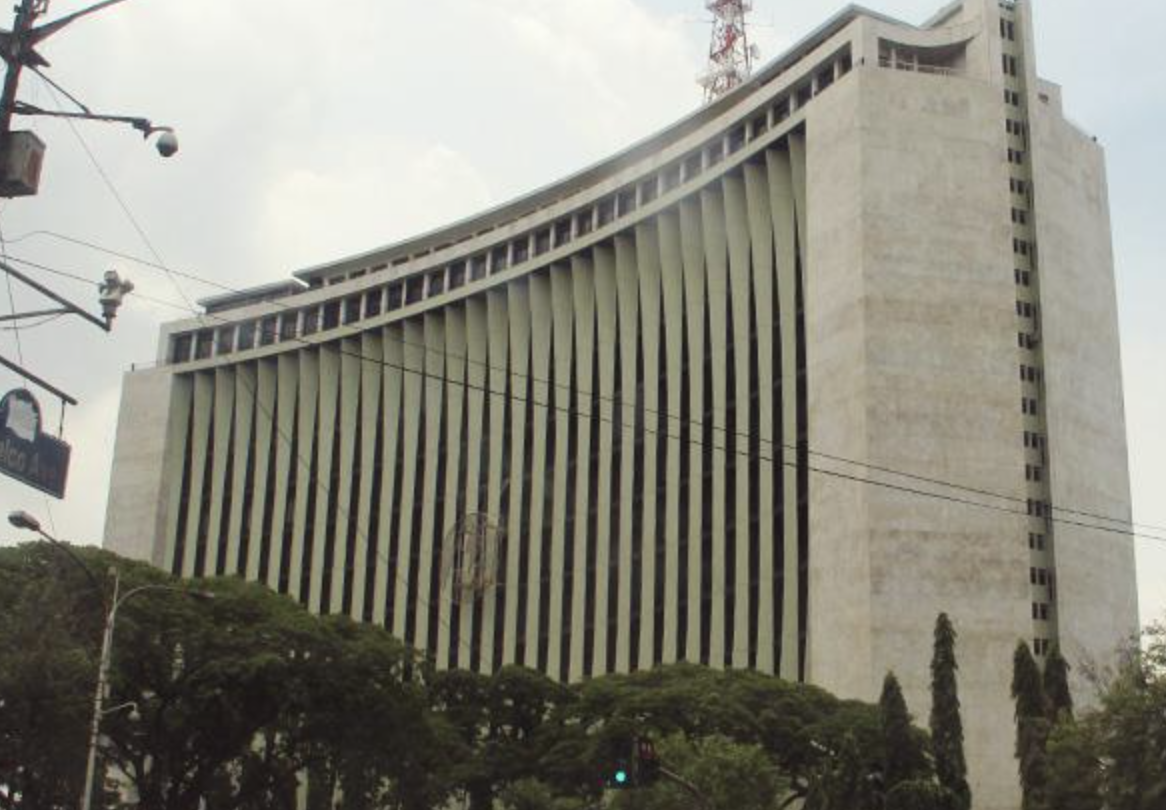
Meralco begins search for suppliers of 900-MW power requirement
The Manila Electric Company (Meralco) on Tuesday announced that it has started the bidding or competitive selection process (CSP) for suppliers of its 900-megawatt (MW) baseload power requirement.
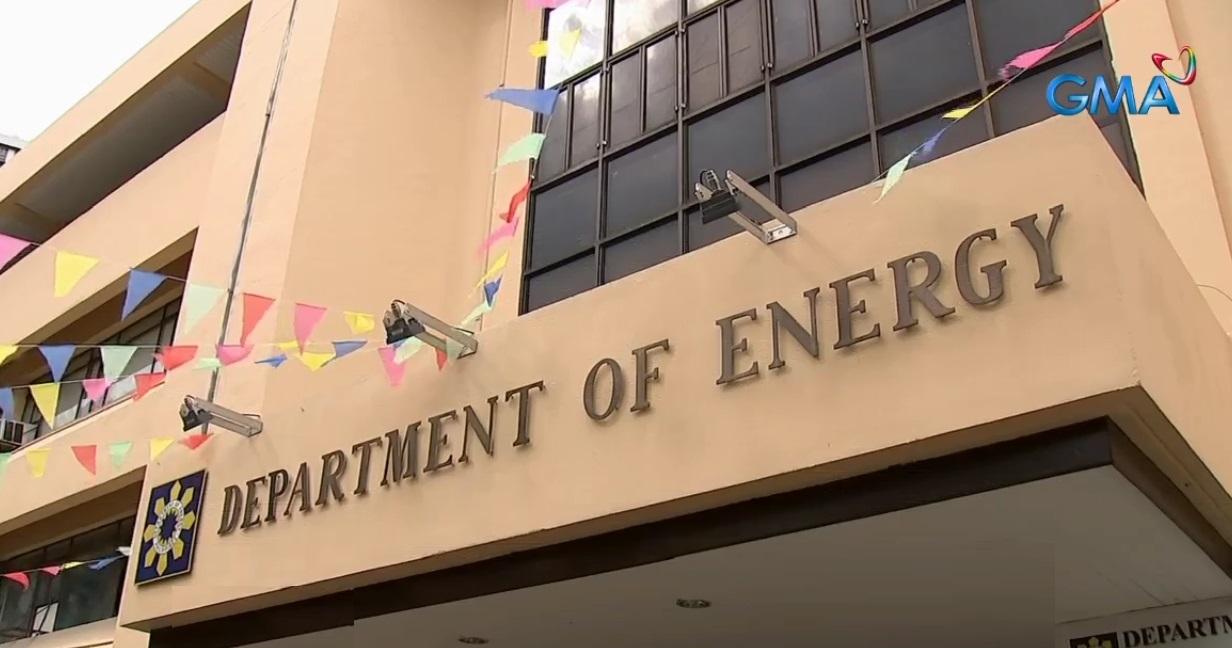
DOE to require oil firms to submit monthly info on fuel costs
The Department of Energy (DOE) said Tuesday the suspension of excise taxes on liquefied petroleum gas (LPG) and kerosene would provide direct relief to Filipino households amid elevated global oil prices.

Future-ready: how Asia’s wealthiest should plan for the age of longevity
[The content of this article has been produced by our advertising partner.] Going by the figures alone, there is no escaping just how important investment in future planning has become for Asia’s high-net-worth (HNW) and ultra-high-net-worth (UHNW) families, with industry watchers predicting they will drive an estimated US$5.8 trillion in asset transfers in the region by 2030. But behind these figures lie some lingering questions, chief among them being how much investment can be considered...

Shein drops 14% to record low after profit misses in first results since Hong Kong IPO
Shares of Shein Global Holdings fell as much as 14 per cent to a record low in Hong Kong on Tuesday after the online fashion retailer posted a 67 per cent drop in second-quarter profit in its first earnings report since listing, warning that tariff headwinds and logistics cost volatility would persist for the rest of the year. The stock sank to as low as HK$30.24 during the day and closed 10.7 per cent down at HK$31.50. Both the intraday and closing prices hit their lowest levels since the...





_2018_08_08_18_57_52.jpg)

YOUR NEWS, OUR NETWORK.
Do you have Great News you want to tell the world?
Be it updates about your business or your community, you can make sure that it’s heard by submitting your story to our network reaching hundreds of news sites across 6 verticals.