
India Calling: The Booming Startup Ecosystem Calling The Indian Diaspora Back; Reversing The Brain Drain In India
Apr 2, 2022

After all, home is home, right? "Ghar Wapsi"
Jodhpur, Rajasthan Apr 2, 2022 (Issuewire.com) - Two decades ago, India was worried about having been badged as "brain drained". Skilled Indian students were leaving the country for greener pastures abroad which caused India concern that they would not return.
Little did they know that they indeed would return and now we are ready to carry our new tag, "Ghar Wapsi".
NEVER SAY NEVER- PUSHING AND PULLING BACK TO INDIA
Young talented Indians from various disciplines are returning back to their home with their knowledge and expertise in turn transforming the process of "brain drain" to "brain gain" for India.
Even the government of India, which has neglected brain drain as a cause for concern for far too long, has in the recent past taken both pre-emptive and retrospective actions to curb the impact of brain drain on India.
Narendra Modi has sought to attract businesses the world over, to invest and manufacture in India with a 'Make in India' campaign. This will create jobs and will potentially be followed by a much mooted 'Think in India' campaign. These campaigns are designed to encourage students to have the capacity and resources to conduct their research and thereby base their future lives in India.
"The last two pandemic years have been a conundrum for businesses across the nations but what came out crystal clear was the high confidence in countries like India with robust capabilities and great minds to steer the economic growth curve," says Sushil Sharma, Founder & CEO, Marwari Catalysts.
Despite the fragile global economy, there was an increase in Indian startups reaching unicorn status and many talented Indians who came back to the country are now seeing the Indian start-up ecosystem as a platform to monetize their expertise and build home-grown technologies for the world.
Sushil further adds,
"It is also a matter of fact that the time of the pandemic outbreak, acted as a tailwind for digital and technology-enabled businesses, thus making it a big criterion for private equity firms that are looking to bet on the next set of high growth companies in India. It became clear that sectors like Ed-tech, Fintech, SaaS, and Health-tech became more prominent amongst investors as they demonstrated resilience, while other sectors bled during the pandemic.
Besides this, in India, the future holds promise for deep-tech start-ups in space and drone technology after the government liberalized these industries, AI-VI technology catering to the metaverse and biotechnology. All these sectors have opened doors to immense entrepreneurial opportunities for the returning Indian Diaspora to act upon and grab a piece of the growing pie.
All these factors acted as a catalyst for "reverse brain drain" and these may result in a new wave of start-ups, which can deploy global experiences and knowledge with a desi touch."
Moreover, apart from Indians, settling abroad and coming back to India, there is even a shift in the professional population from metros to Tier II and Tier III cities as well. The pandemic has made life in smaller towns and cities look more attractive not just for retired folk but even for youngsters.
"With the advent of E-commerce and proliferation of smartphones and internet in small towns of India, the opportunities for business and employment for educated professionals have increased manifold. The unsustainable livelihoods and lack of better job opportunities that had prompted these professionals, in the first place, to uproot from their homes, that's changing now!
Moreover, with work no longer tied to a physical office in a big city, the white-collared professionals can work from anywhere without having to pay high rents in the city.
Therefore we need to collectively change our perception and stop regarding the 'NRI' tag as a feather in our cap and stop defining India only by its Metro cities. It is the moment to rally our moral support to the few who have chosen impact over money, country above self, and gain over the drain."
Concluding, if we analyse the overall situation, today, together we can create a better future where no one is left behind, providing much greater opportunities and more progressive growth.
About Marwari Catalysts:
Marwari Catalysts(India's Fastest Growing Startup Accelerator) primarily focuses on creating, nurturing, and fostering Startups to accelerate their journey from a startup to a unicorn. Marwari Catalysts is a founder & investor-friendly platform with a community of industry experts passionate about entrepreneurship.
Why MCATs?
...Mcats is 100 co-founders,
...We hold a portfolio of 50+ startups that have already raised their Pre Seed, Seed, and Pre Series funding rounds.
...Existing Investors are from the US- Silicon Valley, UK, Muscat, Abu-Dhabi, UAE, Hong Kong, Singapore, Japan & India.
...40% Female Founders Portfolio, 80% Success Ratio.
Linkedin:
https://www.linkedin.com/in/sushisharma/
https://www.linkedin.com/company/marwaricatalysts


Media Contact
Sushil Sharma (Founder & CEO, Marwari Catalysts)
9001019000
Dream Heights, CYB-5, Cyber Park, Heavy Industrial Area, Jodhpur, Rajasthan
Source :Marwari Catalysts
This article was originally published by IssueWire. Read the original article here.
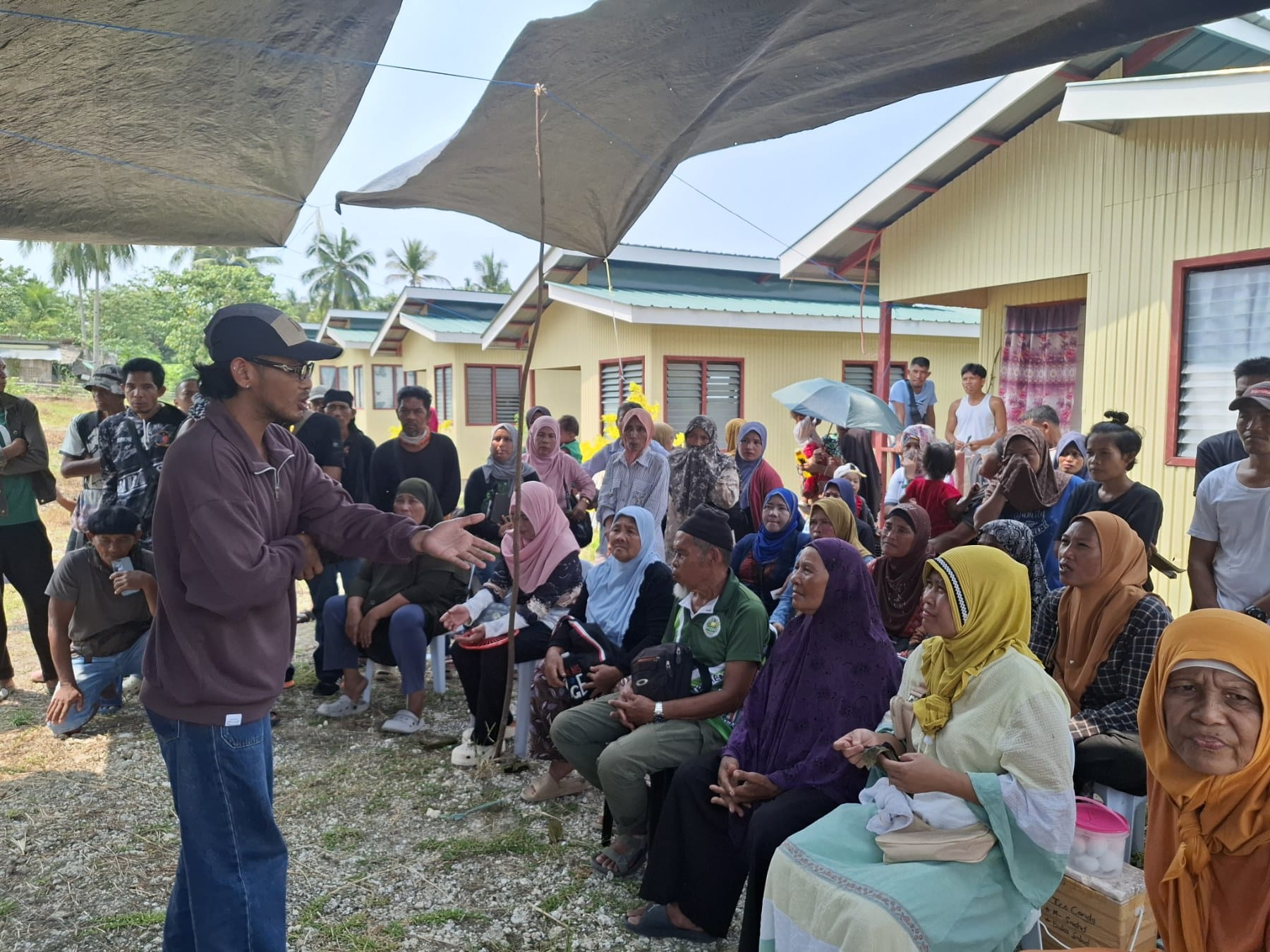
For social service organizations, high trust does not pay the bills
MANILA, Philippines — Filipinos are hardly short on malasakit (compassion). Even when there is little to spare, the instinct to help runs deep. Such cultural trait has helped sustain a strong tradition of giving in the Philippines. But goodwill alone cannot keep the social services offered by civil society running. READ: Red tape limits NGO role

AI boom poses fresh risks for small enterprises
GENEVA, Switzerland — Technology has long streamlined business operations and slashed operational expenses, yet the advent of artificial intelligence (AI) poses a new set of risks for micro, small and medium enterprises (MSMEs) across Southeast Asia, including the Philippines. While AI presents opportunities for innovation and growth, Matthew Wilson, ambassador of Barbados to the World Trade
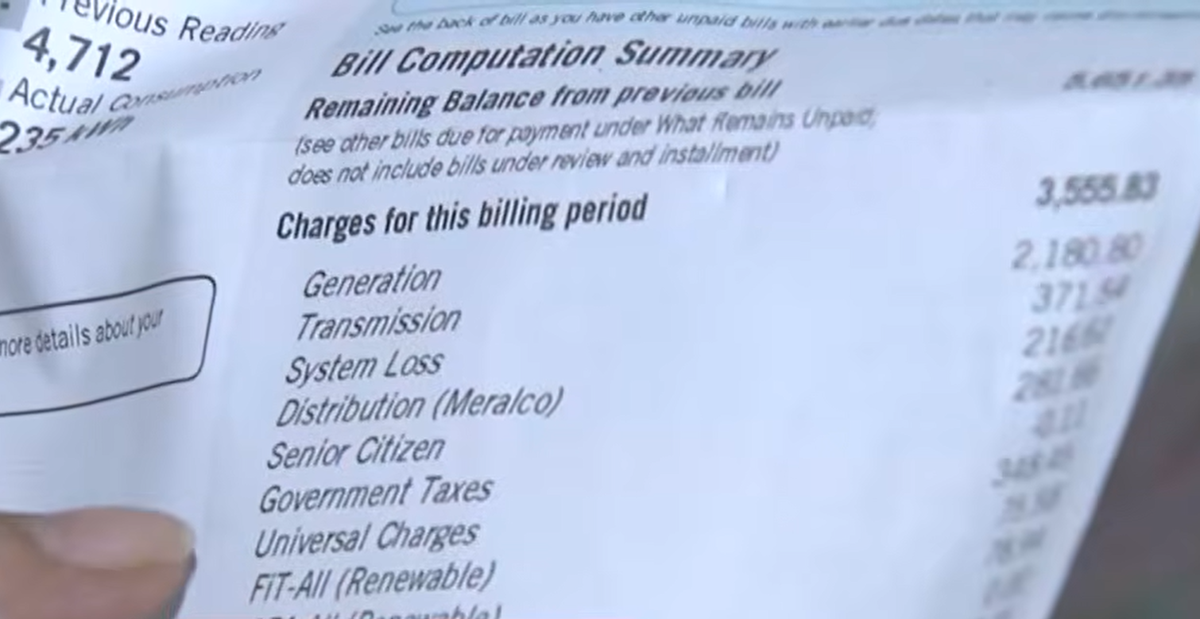
ERC: Scrapping of VAT on system loss charges likely to reflect in November electricity bill
The scrapping of the value added tax on the allowable system loss charges imposed by power utilities is likely to reflect in consumers' November electricity bill, the Energy Regulatory Commission said on Sunday.

Weekend Long Read: Why emerging economies in Asia face a tougher road to growth
A war, an AI boom and a stubborn set of structural limits are splitting Asia's emerging economies into winners and squeezed. As the IMF and World Bank prepare to meet in Bangkok, the July forecasts rest on assumptions that have not held so far.
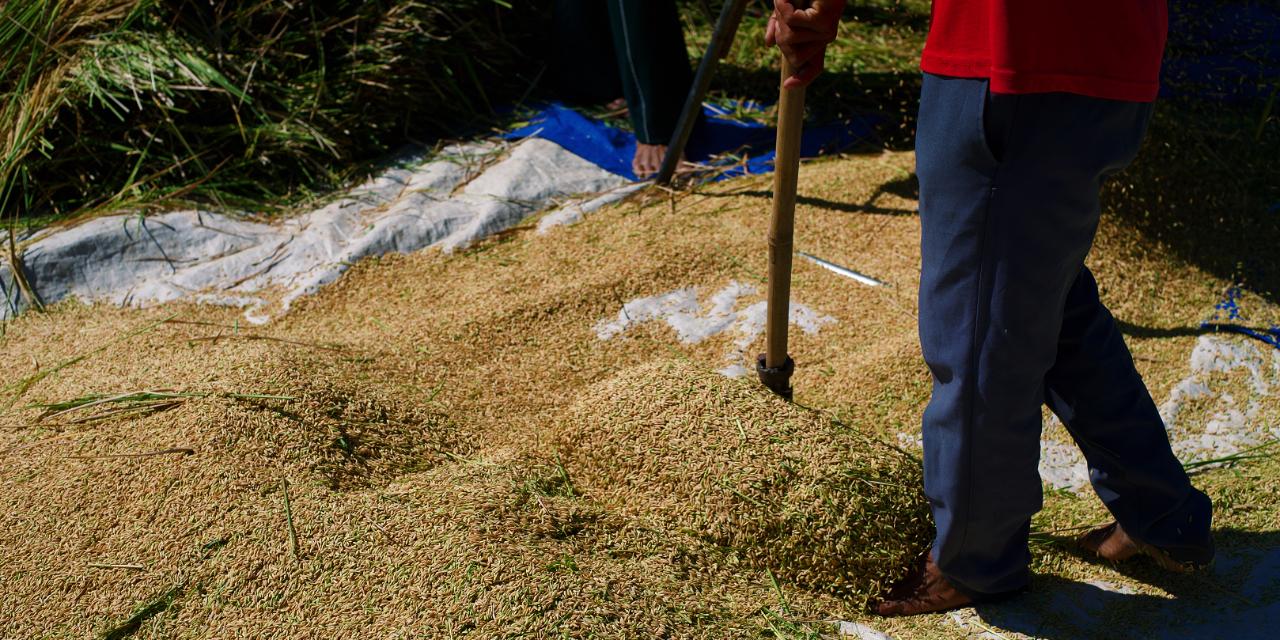
DA says higher palay prices offer relief amid rising farm costs
The Department of Agriculture (DA) welcomed the year-on-year increase in palay prices in August, saying stronger farmgate returns could provide rice farmers with a buffer against rising fuel, transport, and other input costs.

Beyond square metres: The new measure of a Filipino home
What does an affordable condominium in Cavite share with a sail-shaped beachfront tower in Batangas? On paper, very little. One is aimed at buyers taking an early step onto the property ladder; the other promises a premium coastal lifestyle. Between those points are suburban communities in Luzon, high-rise homes in Cebu and Davao, a nature-led
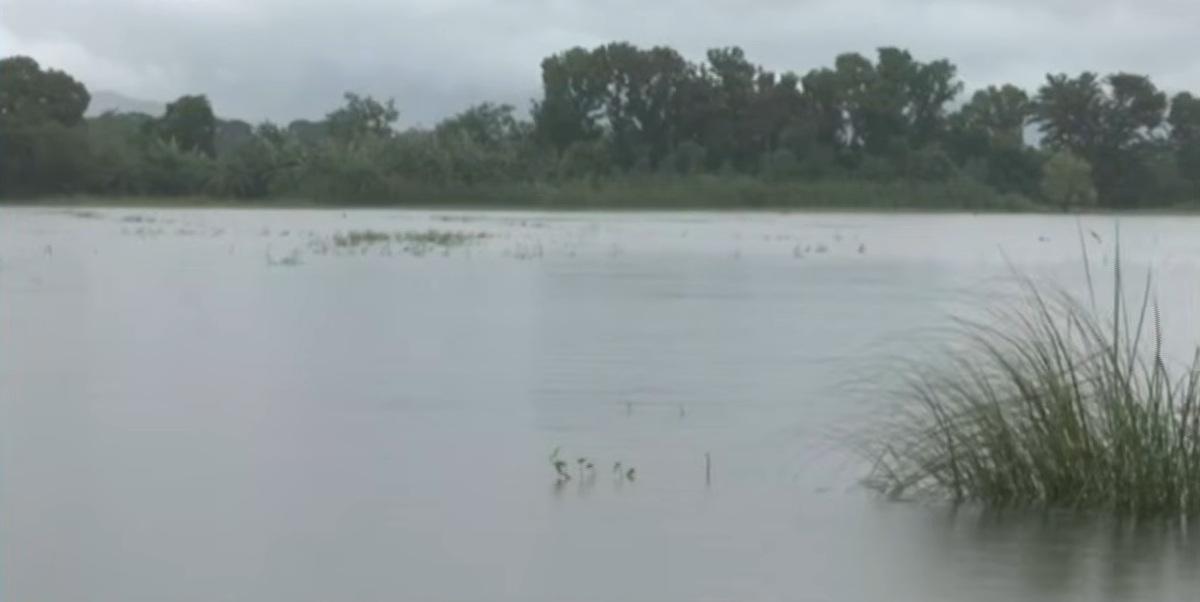
DA: P104M insurance claims paid to farmers hit by storms, Habagat
The Department of Agriculture (DA) on Saturday said the Philippine Crop Insurance Corp. (PCIC) has paid P104.1 million in insurance claims to thousands of farmers and fisherfolk affected by the enhanced Southwest Monsoon (Habagat) and recent tropical cyclones.

The new routes of Philippine property
A Cebu developer has secured sites in Pasig and Cavite. In Tarlac, an industrial estate is being built as a long-term base for manufacturing and logistics. Along the Batangas coast, residential development is combining resort living with environmental standards, while a company rooted in Mindanao is operating across housing, hospitality, agri-residential communities, and industry. For
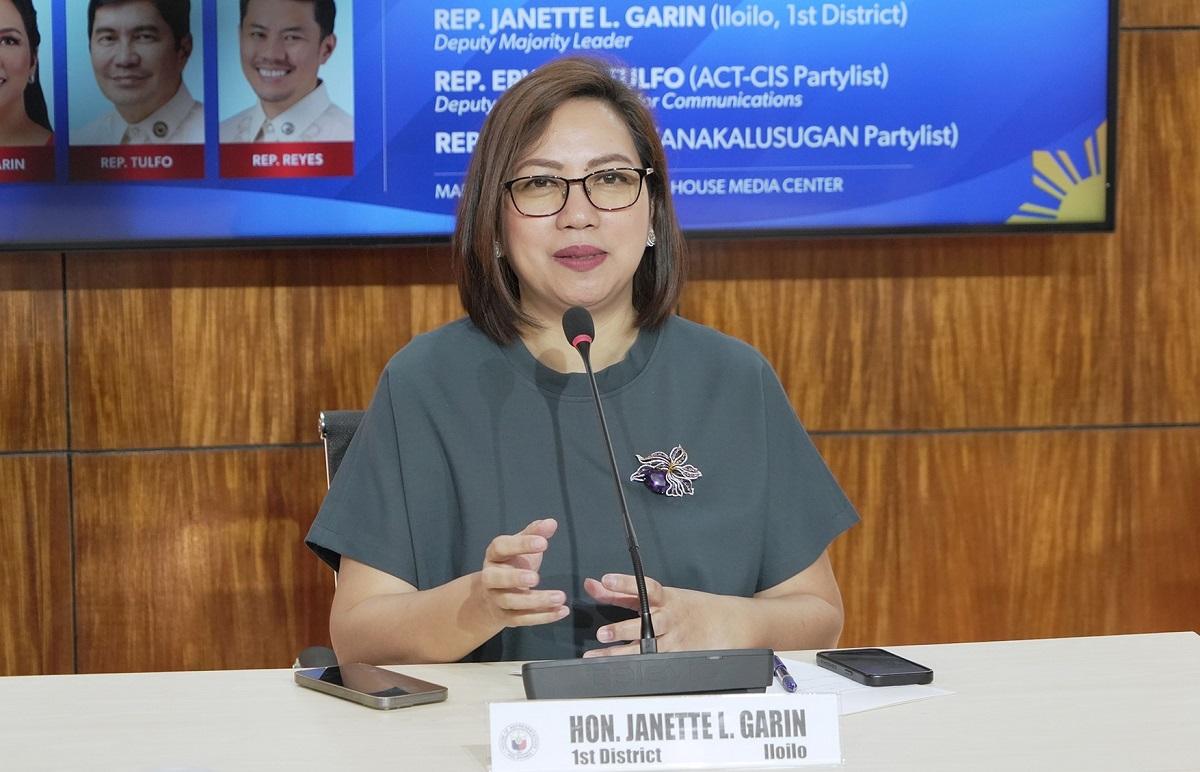
Deputy Speaker Garin: House may consider Meta ban if it ignores call for PH office
Deputy Speaker Janette Garin on Saturday said banning Meta, the parent company of Facebook and Instagram, could be an option if it continues to ignore the Philippine government's call for the company to establish a local office in the country.
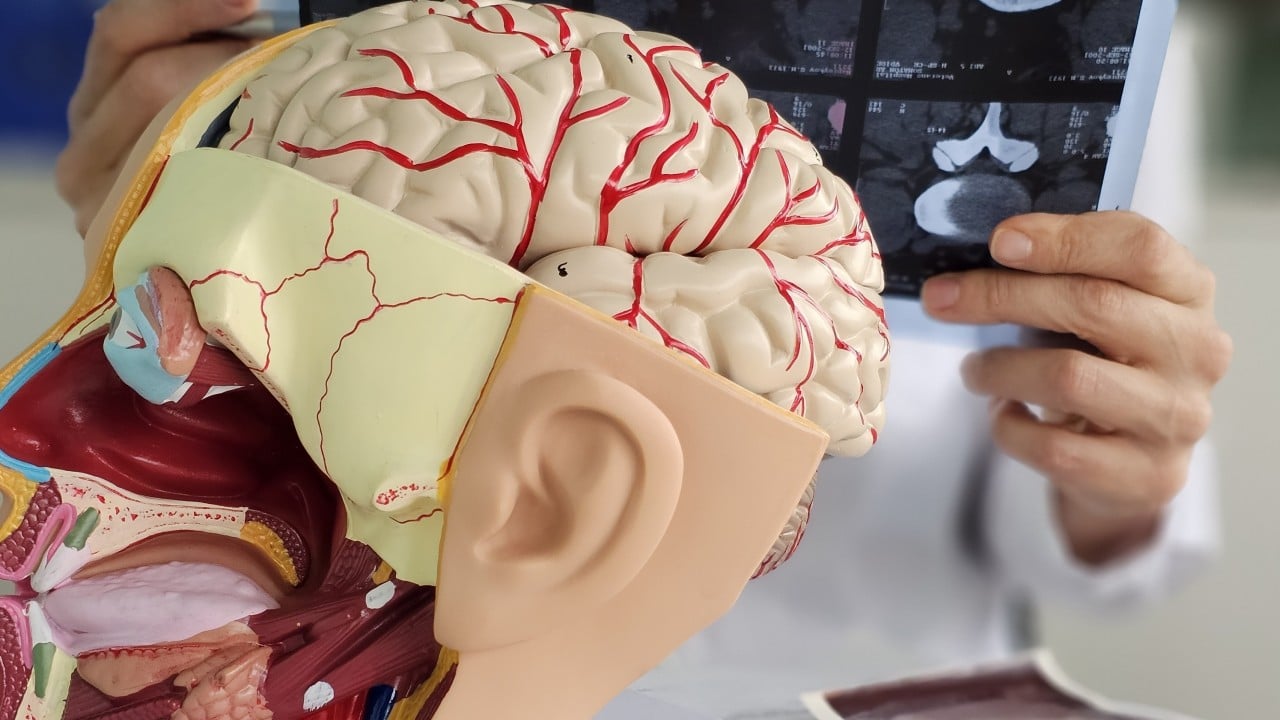
Focused ultrasound could be the next big cancer breakthrough for hard-to-treat tumours
Precisely targeted sound waves could mark a major advance in treating pancreatic cancer and glioblastoma – an aggressive form of brain cancer – within a few years, according to a leading advocate of the technology. Researchers in Hong Kong and around the world are testing whether the approach can help treat tumours that are among the most challenging to manage. “The next big breakthrough in the near future will be more effective treatments for … glioblastoma and pancreatic cancer,” said Dr Neal...

SEC tightens accreditation rules for auditors of gov’t contractors
MANILA, Philippines — The Securities and Exchange Commission (SEC) has tightened audit requirements for companies with government contracts as scrutiny of public infrastructure projects intensifies amid the flood control scandal. Under SEC Memorandum Circular No. 26, Series of 2026, the corporate regulator amended its accreditation guidelines to strengthen the quality of audit work and ensure

PH seen facing bigger currency pressure from hawkish Fed
MANILA, Philippines — Asian economies that run wide current-account deficits and have yet to benefit significantly from the artificial intelligence (AI) boom, such as the Philippines, could be more sensitive to expectations of higher US interest rates, the Australia and New Zealand Banking Group (ANZ) said. In a note on Friday, Khoon Goh, head of









YOUR NEWS, OUR NETWORK.
Do you have Great News you want to tell the world?
Be it updates about your business or your community, you can make sure that it’s heard by submitting your story to our network reaching hundreds of news sites across 6 verticals.