
Custom Quilting Machines vs Standard Models: Which One Fits the Factory?
Sep 20, 2026
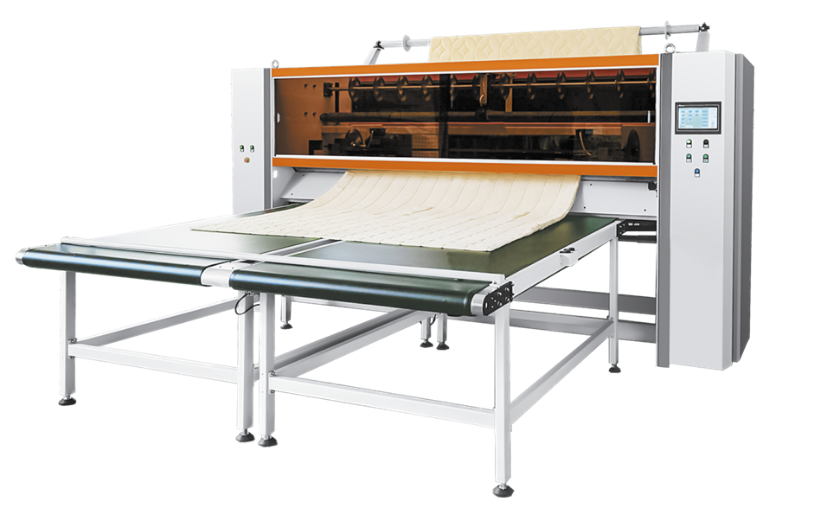
Dongguan, Guangdong Sep 19, 2026 (Issuewire.com) - When expanding a textile production facility or upgrading an existing mattress line, factory operational managers face a recurring choice on the factory floor. Should the plant invest in off-the-shelf standard models, or is it better to procure custom quilting machines configured specifically for non-standard material feeds, distinct stitch tolerances, and region-specific export parameters? Engineering teams at Hengchang Quilting Machinery Factory design both standardized catalog lines and adaptable configurations to address these exact shop-floor dynamics.
Standard models are engineered as inventory-ready production units with fixed physical frames, defined motor parameters, and standardized technical sheets published across catalog documentation. These units fit predictable production routines, particularly standard mattress panel quilting with continuous output demands. Custom machines follow a carefully defined engineering scope rather than unrestricted mechanical redesign. Standard platforms are engineered to cover conventional mattress dimensions efficiently, meaning core structural parameters--such as overall frame width--remain fixed to preserve structural stability and operational precision. When order volumes justify targeted modifications, customized setups adapt these proven systems through modular adjustments, such as fine-tuning presser foot clearance, modifying electrical control interfaces to meet destination standards, or integrating auxiliary loading accessories. Selecting between off-the-shelf standard models and modularly tailored equipment shapes how a plant manages unit costs, batch flexibility, and operating overhead.
Comparing Core Equipment Attributes Across Practical Dimensions
The decision between standard catalog machinery and modified equipment involves several clear technical trade-offs that impact daily operational rhythm and capital deployment.
1. Delivery Timelines and Initial Integration Pace
Standard models move directly from warehouse inventory or active assembly lines to delivery, requiring minimal pre-shipment engineering. Factory installation follows fixed setup routines, allowing technical crews to bring lines online quickly once power feeds are established.
Custom equipment introduces a multi-stage approval phase. Before mechanical assembly begins, engineering teams must evaluate structural blueprints, motor loads, and control schematics. Electrical systems undergo pre-shipment verification, and physical test runs ensure custom extensions perform properly under full production stress. This engineering phase adds necessary lead time, making standard units the choice for quick capacity expansions, while custom machines suit planned facility upgrades with longer lead times.
2. Material Thickness and Clearance Adjustments
Standard quilting equipment generally features uniform width metrics optimized for global bed dimensions. A standard chain stitch or shuttle quilting unit typically offers an effective working width, handling conventional fabric rolls and filler padding up to 80 mm thick. For mainstream mattress manufacturing, these standard dimensions handle regular king and queen bed tickings reliably without structural changes.
When production handles specialized high-loft padding, dense multi-layered memory foam combinations, or heavy industrial fabrics, standard vertical clearances may require operational adjustments. Rather than altering core frame widths--which would compromise structural integrity--tailored options focus on permissible clearance adaptations when order volumes support engineering adjustments. Fine-tuning feed roller spacing, adjusting presser foot lift range, or configuring auxiliary material guide racks allows facilities to process thicker composite layers cleanly without crushing delicate fibers or altering the machine's primary structural architecture.
3. Electrical Systems and International Export Compliance
Deploying textile machinery across international borders requires strict alignment with destination grid standards and safety codes. Standard machinery leaves assembly plants wired for universal industrial power, typically 380V or 220V at 50/60Hz, using standard European or Asian electrical enclosures and safety interlocks.
Exporting to regional markets with specific industrial standards, such as North America or South America, requires precise electrical adjustments. Hengchang Quilting Machinery Factory addresses these export requirements by tailoring electrical cabinets, installing targeted transformer modules, and integrating localized safety switches and bilingual interface panels. As a specialized quilting machines supplier, Hengchang ensures that modified machinery complies with destination electrical codes and import guidelines before shipment, avoiding costly field modifications after delivery.
4. CAD Pattern Software and System Control Interfaces
Both standard and custom quilting systems rely on integrated computer control systems with built-in pattern libraries and standard CAD editing interfaces. Operators can import vector pattern designs, adjust stitch density, and execute multi-needle path shifts directly from the control monitor.
Customization in pattern control does not mean rewriting underlying machine firmware or altering primary PLC logic. Instead, system integration focuses on adding dedicated software interfaces, remote data connection ports, and auxiliary sensor triggers. These additions allow automated pattern scaling and enable multi-needle units to coordinate with downstream panel cutters or stacking mechanisms without risking software instability.
Matching Order Structures to Equipment Selection
Choosing between off-the-shelf machinery and tailored configurations depends heavily on a facility's order mix, production rhythm, and end-product applications.
Standard units deliver their highest ROI in high-volume, low-SKU environments. In plants focused on continuous mattress production, running identical pattern geometry across uniform fabric rolls week after week keeps machine throughput high and unit costs down.
When factory operations involve broader product categories--such as mattress panels, mattress pads, bedspreads, comforters, bedding, upholstery, etc. Frequent changes in pattern geometry, non-standard roll widths, and varying material densities require continuous adjustments. For these flexible production lines, tailored equipment offers the operational range needed to handle diverse client requests without sacrificing stitch quality or forcing awkward workarounds on fixed machine frames.
The Dual-Track Machinery Strategy
Navigating equipment selection does not require choosing between standardized reliability and functional flexibility. Hengchang maintains a dual-track approach anchored in production stability.
Core platforms, such as the multi-function chain stitch quilting machine and high-speed shuttle models listed across the primary product line, serve as the engineered baseline built around standard market dimensions. Rather than redesigning primary machine frames or expanding base working widths--which can compromise system rigidity--tailored solutions build on these proven platforms through structured modular options when production volumes support such adaptations. When volume orders require dedicated electrical panels, specialized edge-trimming accessories, or automated loading interfaces, Hengchang integrates these module upgrades without altering the core structural framework.
This disciplined design philosophy ensures long-term operational stability and predictable maintenance. Because modified setups retain standard mechanical frames, drive shafts, and bobbin mechanisms, critical spare parts remain interchangeable across standard and adapted production lines, minimizing downtime while supporting specialized production requirements.
Selecting the Right Equipment Path
Deciding between standard and customized machinery comes down to evaluating order volume, material diversity, and target market requirements. Standard models provide immediate deployment and reliable efficiency for fixed product lines. Tailored configurations deliver the operational flexibility needed to handle complex materials, varied pattern geometries, and strict international compliance standards.
By offering both standardized production platforms and modular custom setups, Hengchang provides textile and mattress manufacturers with scalable options tailored to specific factory floor demands. Evaluating upcoming order structures, material specifications, and regional export targets helps plant managers choose the ideal equipment configuration to support long-term operational growth.
To explore technical specifications, review application case studies, or consult with engineering specialists on standard and tailored equipment options, please visit https://machine-quilting.com/
Media Contact
Hengchang Quilting Machinery Factory
+86 13450027928
XiaLingBei Industrial Area, LiaoBuTown, DongGuan City, GuangDong Province, 523411
Source :Hengchang Quilting Machinery Factory
This article was originally published by IssueWire. Read the original article here.

Weekend Long Read: Why emerging economies in Asia face a tougher road to growth
A war, an AI boom and a stubborn set of structural limits are splitting Asia's emerging economies into winners and squeezed. As the IMF and World Bank prepare to meet in Bangkok, the July forecasts rest on assumptions that have not held so far.
DA says higher palay prices offer relief amid rising farm costs
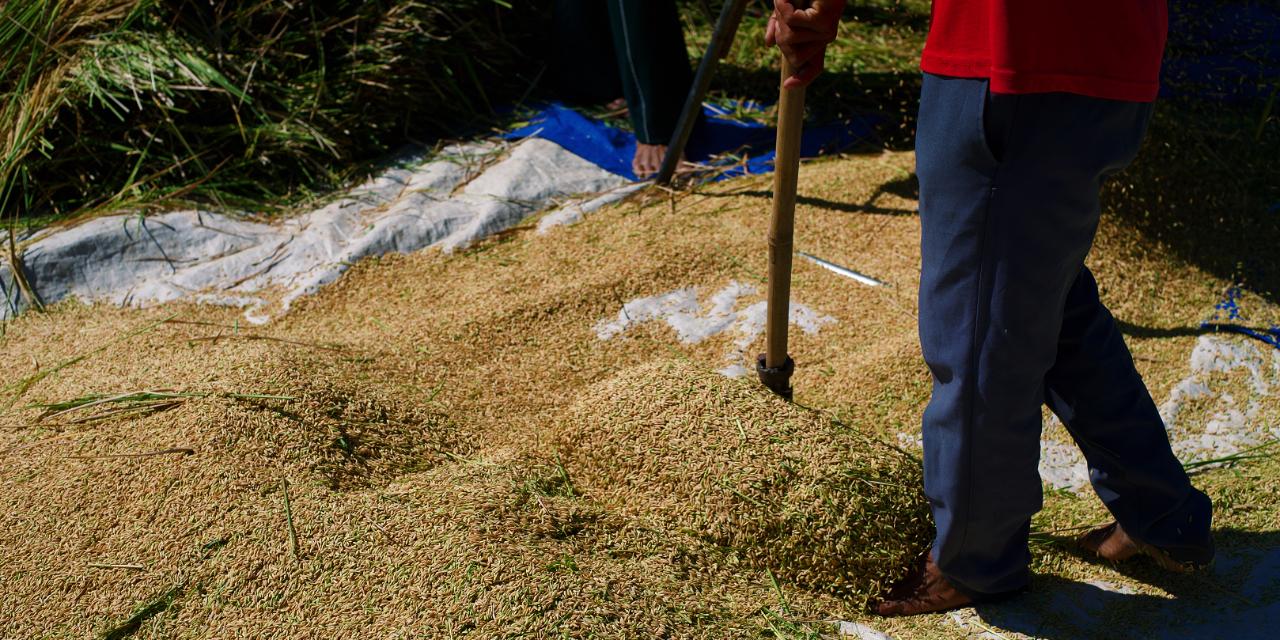
The Department of Agriculture (DA) welcomed the year-on-year increase in palay prices in August, saying stronger farmgate returns could provide rice farmers with a buffer against rising fuel, transport, and other input costs.

Beyond square metres: The new measure of a Filipino home
What does an affordable condominium in Cavite share with a sail-shaped beachfront tower in Batangas? On paper, very little. One is aimed at buyers taking an early step onto the property ladder; the other promises a premium coastal lifestyle. Between those points are suburban communities in Luzon, high-rise homes in Cebu and Davao, a nature-led

DA: P104M insurance claims paid to farmers hit by storms, Habagat
The Department of Agriculture (DA) on Saturday said the Philippine Crop Insurance Corp. (PCIC) has paid P104.1 million in insurance claims to thousands of farmers and fisherfolk affected by the enhanced Southwest Monsoon (Habagat) and recent tropical cyclones.

The new routes of Philippine property
A Cebu developer has secured sites in Pasig and Cavite. In Tarlac, an industrial estate is being built as a long-term base for manufacturing and logistics. Along the Batangas coast, residential development is combining resort living with environmental standards, while a company rooted in Mindanao is operating across housing, hospitality, agri-residential communities, and industry. For

Deputy Speaker Garin: House may consider Meta ban if it ignores call for PH office
Deputy Speaker Janette Garin on Saturday said banning Meta, the parent company of Facebook and Instagram, could be an option if it continues to ignore the Philippine government's call for the company to establish a local office in the country.

Focused ultrasound could be the next big cancer breakthrough for hard-to-treat tumours
Precisely targeted sound waves could mark a major advance in treating pancreatic cancer and glioblastoma – an aggressive form of brain cancer – within a few years, according to a leading advocate of the technology. Researchers in Hong Kong and around the world are testing whether the approach can help treat tumours that are among the most challenging to manage. “The next big breakthrough in the near future will be more effective treatments for … glioblastoma and pancreatic cancer,” said Dr Neal...

SEC tightens accreditation rules for auditors of gov’t contractors
MANILA, Philippines — The Securities and Exchange Commission (SEC) has tightened audit requirements for companies with government contracts as scrutiny of public infrastructure projects intensifies amid the flood control scandal. Under SEC Memorandum Circular No. 26, Series of 2026, the corporate regulator amended its accreditation guidelines to strengthen the quality of audit work and ensure

PH seen facing bigger currency pressure from hawkish Fed
MANILA, Philippines — Asian economies that run wide current-account deficits and have yet to benefit significantly from the artificial intelligence (AI) boom, such as the Philippines, could be more sensitive to expectations of higher US interest rates, the Australia and New Zealand Banking Group (ANZ) said. In a note on Friday, Khoon Goh, head of

Up to P9.50/L hike for diesel, P5.50/L for gasoline expected next week -- source
Another round of big-time increase in pump prices are expected to be implemented in the coming week.

All set for P92-B GCash IPO in Oct
MANILA, Philippines — The Philippine Stock Exchange (PSE) expects the blockbuster listing of GCash operator Mynt Inc. to spur market activity and bring more retail investors into local stocks as it cleared what could become the largest initial public offering (IPO) in its history. On Friday, PSE president and CEO Ramon Monzon said, “We welcome this

IPOPHL drafts copyright rules for AI-assisted works
MANILA, Philippines — The Philippines could soon begin granting copyright to works produced with the help of artificial intelligence (AI) under draft rules that would extend intellectual property (IP) protection only to portions attributable to human creativity. Proposed guidelines by the Intellectual Property Office of the Philippines (IPOPHL) open the door for works created in part








YOUR NEWS, OUR NETWORK.
Do you have Great News you want to tell the world?
Be it updates about your business or your community, you can make sure that it’s heard by submitting your story to our network reaching hundreds of news sites across 6 verticals.