Trade & PolicyMore ASEAN
Timor-Leste adopts roadmap to meet ASEAN economic obligations
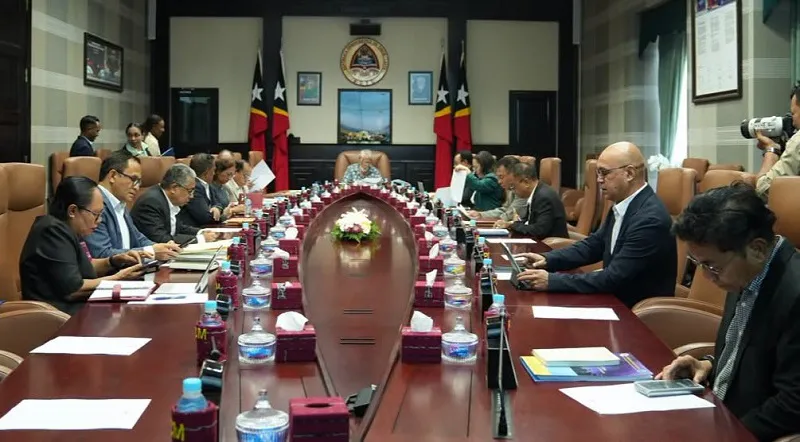
The framework spans 2026–2030 and requires public institutions to report regularly on progress, obstacles and proposed solutions.
The newest Finance stories, from every topic and country.
Page 23 of 87
The framework spans 2026–2030 and requires public institutions to report regularly on progress, obstacles and proposed solutions.
A revised incentive framework will take effect on 1 December 2026, with a ceiling of 5 per cent of banks’ third-party funds.
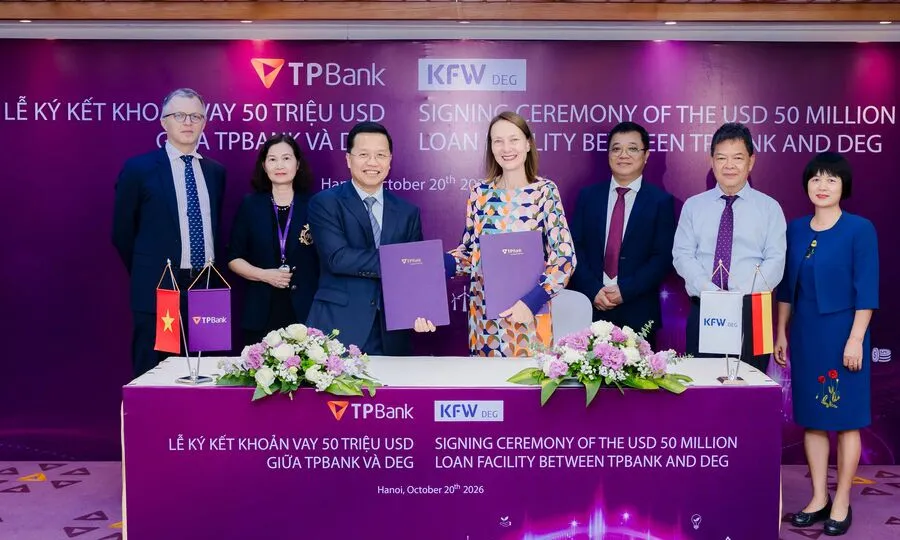
The five-year loan assigns 60% to green projects, with the rest supporting smaller businesses, especially those owned or led by women.
The state aims to develop a ‘super magnet’ industry serving sectors including semiconductors, aerospace and electric vehicle manufacturing.
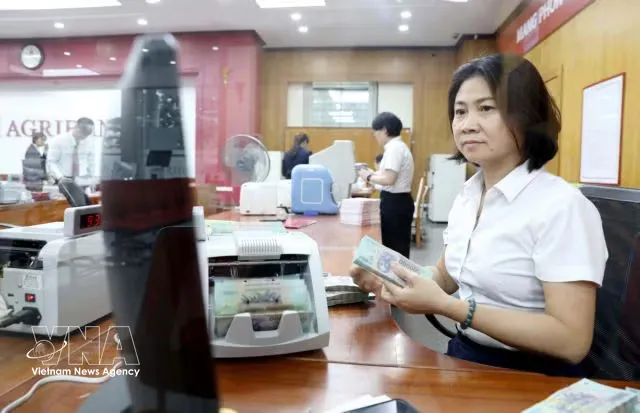
The reductions follow government and central bank calls to ease borrowing costs for businesses and priority sectors.
The proposed agreement covers staff training, policy development and the commercialisation of products and innovations.
The proposed restriction could legally begin by mid-November, as agriculture officials investigate whether rising imports threaten local producers.
LG Innotek is also advancing a US$1 billion substrate factory in Haiphong, with trial production expected in the third quarter of 2027.
The proposal would allow benefits lasting 25 years for projects recognised as being of major national interest, with renewal for an equal period.
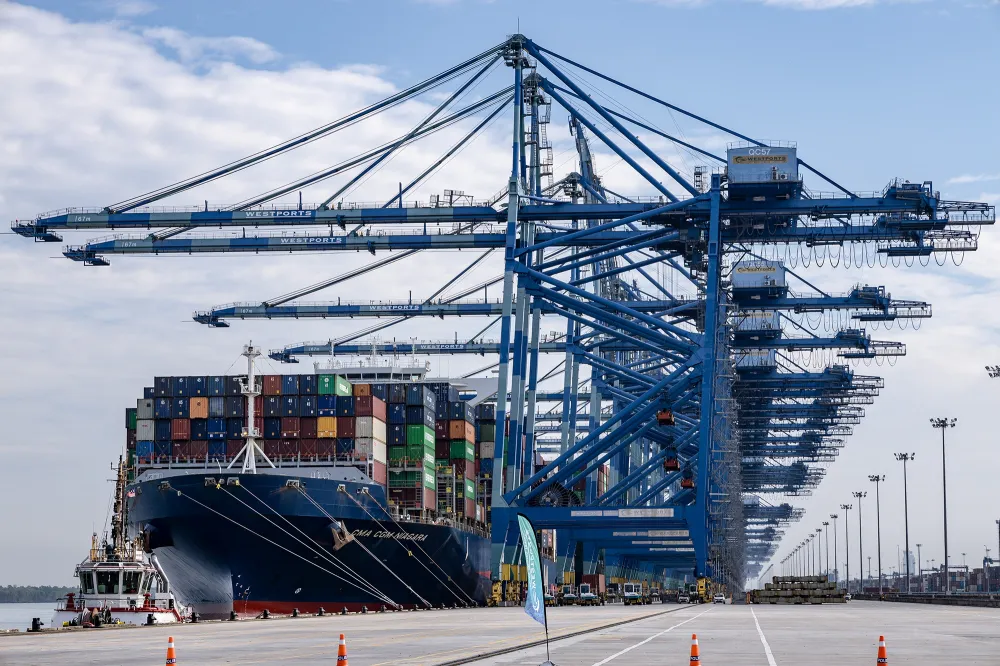
Revenue rose 42 per cent to RM1.06 billion, while the company expects container throughput to at least match the previous year.